Table of contents

This post will explain in an easy-to-understand way what essential oils do for sleep, why sleep and slumber aren't exactly the same thing, and why healthy sleep is indispensable for the human body.
The second part introduces oil blends that utilize the synergistic effects of individual oils to offer potent sleep support. Specific application protocols and additionally helpful preparations for daily practice round off the topic.
The third part, in addition to interested laypeople, addresses medical professionals, examines the neurobiological basis of standard pharmacotherapy for sleep disorders (insomnia), and evaluates the potential of essential oils as a complementary or adjuvant therapy option.
The analysis is based on over 300 scientific publications on sleeping pills, essential oils, terpenes, and EEG/PET neuroimaging data.
What essential oils can do for your sleep
An understandable summary for anyone who wants to sleep better
Millions of people suffer from poor sleep. Whether it's difficulty falling asleep, waking up at night, or feeling unrested in the morning, sleep problems take a toll on both body and mind. While conventional sleeping pills offer short-term relief, many people prefer not to take medication. Essential oils offer a natural alternative that has been studied in scientific research, yielding surprisingly good results.
What actually happens when we sleep?
Sleep is not a simple “switching off.” Our brains go through several phases each night:
Light sleep → Deep sleep → Dream Sleep (REM) and back to the beginning
The Deep sleep is particularly important: This is when the body recovers, the immune system works at full speed, and the brain “sorts” the day's impressions. Those who don't get enough deep sleep feel as if they've been run over in the morning, even after 8 hours in bed.
What keeps us awake? Our brain has a natural “wake system” and a “sleep system.” Stress, worries, and a hectic daily life activate the wake system. Essential oils can help restore this balance.
Why classic sleeping pills are problematic
Sleeping pills like Zolpidem (e.g. Stilnox) or Benzodiazepine (e.g., Valium, Tavor) work quickly and reliably. But:
- DependencyAfter only a few weeks, the body can “need” the medication.”
- Rebound InsomniaIf you stop, you often sleep even worse than before
- Daytime fatigueMany medications cause grogginess the next morning.
- Risk of fallingEspecially older people have an increased risk of falling.
- Altered sleepThe natural sleep architecture is disturbed, with less actual deep sleep
Newer means such as Lemborexant or Suvorexant are better tolerated, but require a prescription and are expensive.
What science says about essential oils
Lavender - The Sleep Champion
Lavender oil is the most studied essential oil for sleep problems. Several clinical studies using measuring devices (EEG) have shown:
- More deep sleep (increased “delta waves” in EEG)
- Less nighttime waking
- Faster falling asleep
- Better sleep quality in the morning
How does it work? The active ingredient Linalool Lavender oil calms the nervous system in a similar way to sleeping pills, but more gently and without the potential for addiction.
EEG Measurements – Objective Proof of Better Sleep
Researchers have investigated what lavender oil does to the brain in sleep labs using EEG measurement devices:
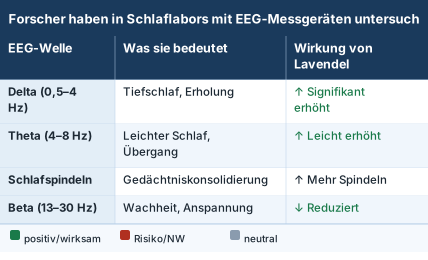
The result: Lavender oil promotes genuine, restful deep sleep – measurable with devices, not just a subjective feeling.
Cedarwood – the deep sleep promoter
Cedarwood oil contains Cedrol, which binds to so-called adenosine receptors in the brain. Adenosine is the body's own “fatigue substance” - the more of it there is in the brain, the sleepier we become. Cedarwood enhances this natural process.
Sandalwood – gentle relaxation
Santalol sandalwood oil acts on serotonin receptors—similar to some antidepressants, but without their side effects. It promotes relaxation and makes it easier to let go of worries.
Vetiver - Grounding and Deep Sleep
Vetiver (from the root of a tropical plant) has been shown in studies to have a calming effect on the nervous system. It prolongs deep sleep phases.
Roman Chamomile – Gentle and Proven
Chamomile has been known as a calming agent for millennia. Scientifically proven: Its ingredients Chamazulene and Bisabolol have a relaxing and sleep-inducing effect.
Marjoram – the Unknown
Marjoram oil has shown sleep-promoting properties and a relaxing effect on the respiratory tract in studies – ideal for people struggling with snoring or respiratory tension.
Ylang-Ylang – Pure relaxation
Ylang-Ylang has been shown to lower heart rate and blood pressure, and reduce stress hormones. Ideal for people who can't sleep due to stress.
The dōTERRA Serenity Line – Professional Sleep Support
dōTERRA has developed two products specifically for sleep, based on the science of essential oils:
Serenity Restful Blend (Oil, 15 ml)
For diffuser or skin (aromatic/topical)
This oil combines 9 carefully selected ingredients:
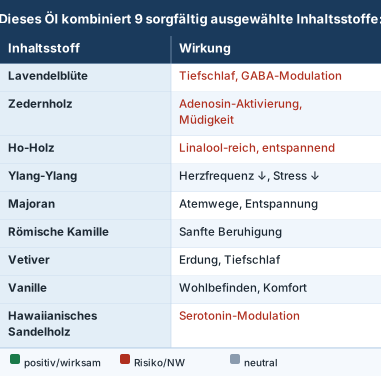
Application: – 3-4 drops in the diffuser, 30 minutes before sleep – Rub 1-2 drops on wrists, temples, or soles of feet – Drip 1-2 drops onto the pillow
Serenity Restful Complex Softgels (60 Capsules)
For internal consumption - 1-2 capsules 30 minutes before sleep
These vegan capsules contain a unique combination:

What is L-theanine? An amino acid from green tea. It promotes relaxation without daytime drowsiness and increases alpha brain waves, the state of calm alertness that is ideal for transitioning to sleep.
What is sour cherry? Tart cherries are one of the best natural sources of melatonin. Melatonin is the body's “sleep hormone,” which tells us it's time to sleep.
Practical Tips – How to Use Essential Oils for Better Sleep
Onboarding (Weeks 1–2)
- Set up diffuser – 30 minutes before sleep with Serenity Blend
- Blackout the bedroom Melatonin is only produced in darkness.
- Avoid screens – No phone/TV 1 hour before bed
- Fixed sleep times - Go to bed at the same time every day
Intensification (Weeks 3-4)
- Serenity Softgels – 1 capsule 30 minutes before sleep
- Topical application Massage Serenity Blend into the soles of your feet.
- Relaxing bath – 5 drops of lavender + 2 drops of vetiver in warm bathwater
For persistent sleep problems
- Combination – Diffuser + capsules simultaneously
- Keep a diary – Rate sleep quality daily (1-10)
- Consult a doctor – If sleep problems persist, always seek medical advice
Who should be particularly careful?
Essential oils are very safe for most people, but:
- PregnantSome oils (especially marjoram, sage) should be avoided
- Children under 6 years oldNo oils with eucalyptol or menthol on the face
- AllergiesAlways do a skin test before the first use
- MedicationAlways speak with your doctor before taking sleeping pills, antidepressants, or blood thinners.
- PetsCats are sensitive to many essential oils, only operate diffusers in rooms without cats
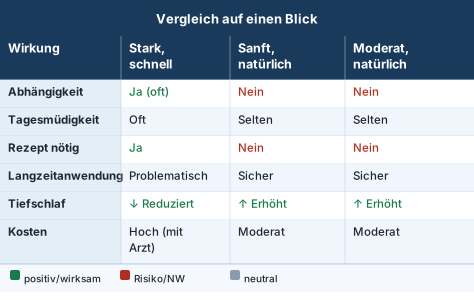
Comparison at a glance
Conclusion – A Gentle Way to Better Sleep
Essential oils are not miracle cures, but they are scientifically backed, natural helpers for better sleep. Especially the Combination From aromatic application (diffuser, topical) and oral intake (Serenity Softgels), it offers a comprehensive approach that simultaneously acts on multiple sleep-relevant mechanisms.
The most important thing: Essential oils improve the Quality more deep sleep, less waking up, better recovery. This is often more important than just the amount of sleep.
Frequently Asked Questions
How quickly do essential oils work? Some people feel the effects on the first night. For stable improvement, studies recommend regular use over 2-4 weeks.
Can I combine essential oils with sleeping pills? Fundamentally yes, but please always ask your doctor first. Essential oils can enhance the effects of sleeping pills.
What oil is best for sleep problems? Lavender + Passionflower (Serenity Softgels) are ideal for sleep problems.
What oil is best for problems staying asleep? Cedarwood + Vetiver (Serenity Blend in the diffuser) are particularly helpful for falling asleep and staying asleep.
Do I have to buy expensive oils?
Quality is important: Look for 100% % pure essential oils, ideally with a batch-specific analysis certificate (GC/MS).
Inexpensive perfume oils or synthetic fragrances have no therapeutic effect and, due to their synthetic ingredients, can be harmful to health and cause headaches, nausea, etc.
Anyone who wants to learn more about the selection and quality of essential oils will find information in the article „Essential Oils - Odyssey of a Search“found.
Another contribution quotes Prof. Dr. Dr. Dr. med. habil. Hanns Hatt from the Ruhr University Bochum, who in his video „Healing with fragrances“explains the effect of essential oils on the human body in an interesting, entertaining, and yet scientific way.
dōTERRA oils are highly recommended for several reasons. dōTERRA uses CPTG® (Certified Pure Tested Grade) quality standards, which means rigorous testing for purity and potency. The quality is demonstrably high.
This summary is based on scientific findings. It does not replace medical advice. If you have serious sleep disorders, please consult a doctor or sleep specialist.
dōTERRA Essential Oils for Sleep Disturbances
Recommended dōTERRA Products for Sleep
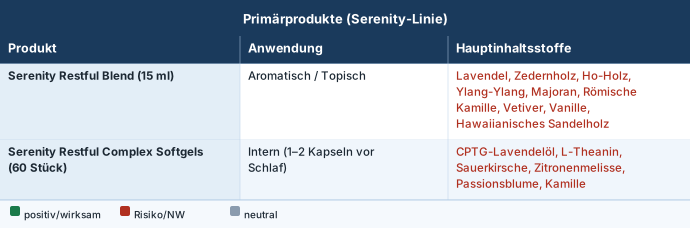
Primary Products (Serenity Line)
DIY Blends
Blend 1: “Deep Sleep” (Diffuser)
Target: Maximum deep sleep promotion (delta waves ↑)
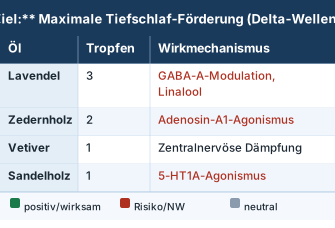
Application: In the diffuser 30-60 minutes before sleep
Blend 2: “Falling Asleep” (Topical)
Target: Faster falling asleep, stress reduction
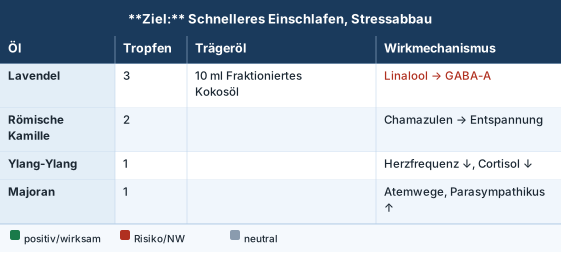
Application: Massage the soles of the feet, wrists, and temples.
Blend 3: “Sleep Through the Night” (Diffuser Night)
Target: Sleep continuity, reduction of nighttime awakenings
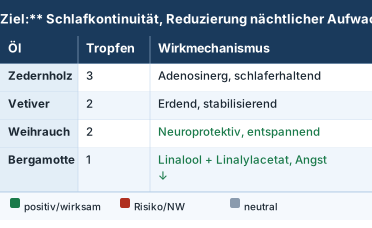
Application: In the diffuser, set the timer to 4 hours
Blend 4: “Relaxation Before Sleep” (Bath/Massage)
Target: Transition from wakefulness to sleep readiness
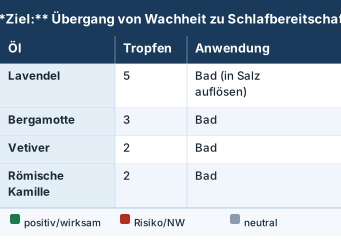
Application: 15-20 minute warm bath, 1 hour before bed
Blend 5: “Children & Adolescents” (Gentle Formula)
Target: Gentle sleep support for younger individuals

Application: In the diffuser; when applied topically, always dilute with a carrier oil (1:10)
Application Protocol: 4-Week Plan
Week 1: Introduction
- Evening (9:00 PM): Serenity Blend in diffuser (3-4 drops)
- Bedtime 1 Serenity Softgel
- Rating Record sleep quality daily on a scale of 1-10
Week 2: Intensification
- Evening (9:00 PM): Diffuser + topical application (soles of feet)
- Bedtime 1-2 Serenity Softgels
- Addendum: Relaxation bath 2× per week (Blend 4)
Weeks 3-4: Optimization
- Customize Based on experiences from weeks 1-2
- For sleep problems: Blend 2 topical + softgels
- For sleep-through problems: Blend 3 in diffuser (night timer)
- In Case of Stress: Blend 4 (Bad) before sleeping
Combination with other dōTERRA products
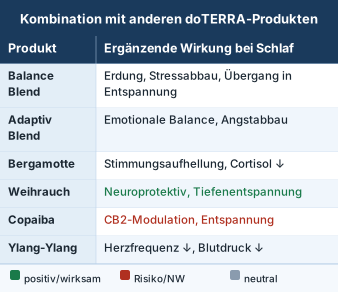
Safety instructions
- Dilution Always dilute with a carrier oil (1-2% for adults, 0.5% for children)
- Pregnancy Avoid marjoram and sage; lavender is safe in moderation
- Pets: Operate diffuser only in rooms without cats
- Interactions If taking sleeping pills or antidepressants: consult a doctor
- Storage Cool, dark, dry; lid tightly closed
Product links and current prices can be added manually here. All information is based on scientific literature and dōTERRA product information.
Sleep, Sleep Disorders, and Essential Oils as a Therapeutic Option
A comprehensive scientific report
Foreword
This report investigates the neurobiological underpinnings of standard pharmacotherapy for sleep disorders (insomnia) and evaluates the potential of essential oils as a complementary or adjunctive therapeutic option. The analysis is based on over 300 scientific publications concerning hypnotics, essential oils, terpenes, and EEG/PET neuroimaging data.
Key Findings for Standard Pharmacotherapy: Benzodiazepines and Z-drugs (zolpidem, zopiclone, zaleplon) act as positive allosteric modulators at the GABA-A receptor, consistently reducing sleep onset latency by 15-30 minutes; orexin antagonists (suvorexant, lemborexant) demonstrate superior effects on sleep maintenance and architecture compared to zolpidem in Phase 3 RCTs without the risk of dependence. [D1][D2][D3]. Melatonin receptor agonists (ramelteon) regulate circadian rhythm via MT1/MT2 receptors. Low-dose doxepin (3-6 mg) blocks histaminergic H1 receptors and improves sleep maintenance.
Essential Oils: Lavender (Linalool, Linalyl Acetate) shows significant increases in delta power (deep sleep) and improvement in sleep efficiency in several RCTs and controlled EEG studies [D4][D5]. α-Pinene (pine, juniper) binds to the benzodiazepine binding site of the GABA-A receptor and prolongs NREM sleep in animal models. [D6]. 3-Carene (Pine) shows analogous GABA-A effects with flumazenil-sensitive action [D7]. Cedrol (cedarwood), santalol (sandalwood), nerolidol, and β-caryophyllene complement the spectrum through serotonergic, adenosinergic, and CB2 modulation.
dōTERRA Serenity Product Line: The Serenity Restful Blend (aromatic/topical) combines Lavender, Cedarwood, Ho Wood, Ylang Ylang, Marjoram, Roman Chamomile, Vetiver, Vanilla, and Hawaiian Sandalwood. The Serenity Restful Complex Softgels (for internal use) contain CPTG Lavender oil, L-Theanine, Tart Cherry (natural source of melatonin), Lemon balm, Passionflower, and Chamomile, a synergistic formulation targeting multiple sleep-related mechanisms. [D8][D9].
Evidence: While there is robust preclinical and moderate clinical evidence for lavender and some terpenes, large-scale RCTs are lacking for many oils. EEG studies demonstrate objective deep sleep promotion through lavender inhalation during sleep. [D10][D11]. PET data on essential oils in humans have not yet been published.
Introduction
Sleep disorders, particularly insomnia, are among the most common conditions worldwide. An estimated 10-30 % of the adult population suffer from chronic insomnia, with prevalence rates of up to 50 % in certain risk groups such as older adults and patients with psychiatric comorbidities. [D12][D13]. The World Health Organization (WHO) classifies insomnia as a standalone disorder (ICD-11: 7A00), characterized by difficulties falling asleep, staying asleep, or waking up too early, combined with daytime symptoms such as fatigue, concentration problems, and mood deterioration. [D14].
The economic costs of chronic sleep disorders are substantial: direct costs from treatments and lost productivity are estimated to be over $100 billion annually in the US. [D15]. Long-term sleep deprivation significantly increases the risk of cardiovascular disease, type 2 diabetes, obesity, depression, and neurodegenerative diseases. [D16][D17].
The standard pharmacotherapy with benzodiazepines, Z-drugs, melatonin agonists, and orexin antagonists is effective but comes with significant limitations: potential for dependence, development of tolerance, rebound insomnia, cognitive impairment, and risk of falls, especially in older patients. [D18][D19]. These restrictions have significantly increased scientific interest in plant-based alternatives and essential oils.
Essential oils have been used for millennia in traditional medicine systems to promote sleep. Modern molecular pharmacology has begun to unravel the mechanisms of action of individual terpenes: Linalool modulates GABA-A receptors. D20, α-Pinene binds to the benzodiazepine binding site [D6], and cedrol shows sedative properties via adenosinergic mechanisms [D21]. EEG studies demonstrate objectively measurable effects on sleep architecture. [D10][D11].
This report systematically analyzes the available evidence for essential oils in the context of sleep, compares their mechanisms of action and clinical effects with standard pharmaceuticals, and evaluates specific products such as the dōTERRA Serenity line. The goal is an evidence-based, scientifically sound assessment of their therapeutic potential.
Neurobiology of Sleep
Sleep Architecture and Sleep Stages
Sleep is not a passive state but an actively regulated, cyclical process with a characteristic architecture. A normal sleep cycle lasts 90-110 minutes and consists of NREM (Non-Rapid Eye Movement) sleep and REM (Rapid Eye Movement) sleep. [D22][D23].
NREM sleep divides into three stages:
- Stadium N1 (Light Sleep): Transition from wakefulness to sleep; EEG shows theta waves (4-8 Hz), muscle tone reduced, consciousness fades. Duration: 5-10 minutes per cycle.
- Stadium N2 (Mid-sleep): Sleep spindles (12-14 Hz, 0.5-2 seconds) and K-complexes as characteristic EEG patterns; body temperature and heart rate continue to decrease. Makes up ~50% of total sleep %.
- Stadium N3 (Deep Sleep/Slow-Wave Sleep, SWS): Dominated by delta waves (0.5-4 Hz, >75 µV); strongest physical recovery, growth hormone release, immune stimulation, memory consolidation. Concentrated in the first half of the night.
REM sleep: EEG similar to waking state (beta/gamma waves); rapid eye movements, muscle atonia (except for respiratory muscles), vivid dreams; important for emotional processing and procedural memory consolidation. Increases in the second half of the night. [D24].
Neurotransmitter Systems of Sleep Regulation
Sleep and wakefulness are regulated by a complex network of interacting neurotransmitter systems:
GABAergic System: GABA (gamma-aminobutyric acid) is the most important inhibitory neurotransmitter. GABAergic neurons in the ventrolateral preoptic nucleus (VLPO) and medial preoptic nucleus (MPOA) of the hypothalamus inhibit wake-promoting centers (locus coeruleus, raphe nuclei, tuberomammillary nucleus) and initiate sleep. [D25]. GABA-A receptors are pentameric ion channels that, upon activation, allow chloride ions to enter and hyperpolarize neurons. The benzodiazepine binding site (between α and γ subunits) is a critical pharmacological target. [D26].
Adenosine System: Adenosine accumulates during wakefulness as a byproduct of neuronal activity, generating “sleep pressure” (homeostatic sleep regulation). Adenosine A1 receptors inhibit wake-promoting cholinergic neurons in the basal forebrain; A2A receptors in the nucleus accumbens promote sleep. Caffeine blocks A1/A2A receptors and counteracts sleep pressure. [D27].
Orexin/Hypocretin System: Orexin neurons in the lateral hypothalamus project widely throughout the brain and activate wake-promoting monoamine systems (noradrenaline in the locus coeruleus, serotonin in the raphe nuclei, histamine in the tuberomammillary nucleus, acetylcholine in the basal forebrain). Orexin stabilizes the wake state and prevents abrupt transitions to sleep. Loss of orexin neurons leads to narcolepsy. [D28].
Melatonin System: Melatonin is synthesized in the pineal gland in response to darkness and synchronizes circadian rhythms via MT1/MT2 receptors in the suprachiasmatic nucleus (SCN) of the hypothalamus. MT1 activation acutely inhibits SCN activity (sleep-promoting), while MT2 activation shifts the circadian rhythm. [D29].
Histamine System: Histaminergic neurons in the tuberomammillary nucleus (TMN) of the hypothalamus are active during wakefulness and promote arousal via H1 receptors in the cortex. Antihistamines (even low-dose doxepin) have a sedative effect due to H1 blockade. [D30].
Serotonin System: Serotonergic neurons of the raphe nuclei are active during wakefulness. Serotonin precursors (tryptophan → 5-HTP → serotonin → melatonin) link serotonin to the melatonin synthesis pathway. [D31].
Circadian rhythm and homeostatic sleep pressure
Sleep is regulated by two processes (Two-Process Model according to Borbély): – Process C (circadian rhythm): Internal clock in the SCN, synchronized by light-dark cycles; controls melatonin secretion and body temperature rhythm [D32]. Process S (homeostatic sleep pressure): Adenosine accumulation during wakefulness; a “sleep debt” that builds up during the day and is reduced during sleep [D33].
Pathophysiology of Insomnia
Hyperarousal Model
The best-supported model of primary insomnia is the hyperarousal model: affected individuals exhibit increased physiological, cognitive, and cortical activation, which prevents sleep. [D34]. EEG studies show increased beta power (15-35 Hz) in insomniacs during NREM sleep, a marker for cortical hyperarousal, and reduced delta power (deep sleep deficit) [D35].
Physiological markers of hyperarousal
– Increased core body temperature and metabolic rate
– Elevated cortisol and ACTH levels (HPA axis dysregulation)
- Increased heart rate and reduced heart rate variability
- Increased cerebral glucose metabolism (PET studies) [D36]
PET findings in insomnia:
PET studies with [18F]-FDG show increased global cerebral glucose metabolism in the awake state and reduced deactivation during the transition to sleep in primary insomnia, particularly in the prefrontal cortex, amygdala, and hippocampus. [D36][D37].
These findings support the hyperarousal model and show that insomnia is a 24-hour problem of neural overactivity, not just a nocturnal symptom.
Neurobiological changes in chronic insomnia
- GABA deficiency
Proton MRS studies show reduced GABA concentrations in the occipital cortex in primary insomnia [D38]. - Adenosine dysregulation
Reduced Adenosine A1 Receptor Binding in Frontal Regions in Chronic Insomnia [D39]. - Orexin Overactivity
Elevated orexin-A levels in cerebrospinal fluid in some insomnia subtypes, consistent with hyperarousal [D40]. - HPA axis dysregulation
Elevated cortisol levels in the evening and early night disrupt sleep initiation and deep sleep. D41.
Standard Pharmacotherapy for Insomnia
Benzodiazepine
For decades, benzodiazepines (triazolam, temazepam, nitrazepam, lorazepam, flunitrazepam) were the first-line therapy for insomnia.
They act as positive allosteric modulators at the GABA-A receptor: binding to the benzodiazepine binding site (between α1/α2/α3/α5 and γ2 subunits) increases the chloride channel opening frequency and enhances GABA's effect. [D42].
Clinical Effects
Shortening of sleep latency by 15-25 minutes; extension of total sleep duration; suppression of REM and deep sleep (N3); reduction of nocturnal awakenings [D43].
Limitations and risks
– Development of tolerance within 2-4 weeks
– Physical and psychological dependence; Withdrawal symptoms (rebound insomnia, anxiety, seizures)
– Cognitive impairment, memory consolidation disorders (anterograde amnesia)
– Increased risk of falls and fractures, especially in elderly patients
– Respiratory depression with overdose or combination with opiates/alcohol [D44]
Z-Drugs (Non-Benzodiazepine Hypnotics)
Z-drugs (zolpidem, zopiclone, zaleplon, eszopiclone) were developed as a more selective alternative to benzodiazepines.
They preferentially bind to GABA-A receptors with α1 subunits (associated with sedative/hypnotic effects) and less to α2/α3 (anxiolytic effects). [D45].
Zolpidem (Stilnox®, Ambien®) is the most commonly prescribed sleeping pill worldwide.
Onset of action: 15-30 minutes
– Half-life: 2-3 hours (immediate release) or 6-8 hours (extended-release)
Effective reduction of sleep latency by 15-30 minutes [D46][D47].
Clinical Effects (Zolpidem)
Shortening sleep latency
– moderate increase in total sleep duration
– less suppression of deep sleep and REM sleep than benzodiazepines [D47].
Z-Drug Safety Profile
Lower potential for dependence than benzodiazepines, but not dependence-free
- Complex sleep-related behaviors (sleepwalking, sleep-eating, sleep-driving) - FDA Black-Box Warning
Next-day sedation, cognitive impairment, falls in elderly patients
– Recommendation: Limit application to 2–4 weeks [D48]
Melatonin and Melatonin Agonists
Melatonin (0.5-5 mg) is an endogenous hormone with chronobiotic effects. Exogenous melatonin shortens sleep latency in cases of circadian misalignment (jet lag, shift work) and in elderly patients with low endogenous melatonin levels. [D49].
Effect is modest: Meta-analyses show a reduction in sleep latency of ~7-10 minutes [D50].
Ramelteon (Rozerem®) is a selective MT1/MT2 agonist (8-fold higher affinity than melatonin for MT1). Approved for sleep-onset insomnia; no dependence potential; particularly suitable for elderly patients [D51].
Orexin Receptor Antagonists (DORAs)
Suvorexant (Belsomra, 5-20 mg) and Lemborexant (Dayvigo®, 5-10 mg) are dual orexin receptor antagonists (DORAs) that block OX1R and OX2R, thereby inhibiting the wake-promoting orexin system. [D1][D2].
Clinical Evidence Lemborexant
Phase-3-RCT (SUNRISE-2, n=949): Lemborexant 5 mg and 10 mg significantly improved sleep latency, WASO (Wake After Sleep Onset), and sleep efficiency compared to placebo and were superior to zolpidem extended-release for sleep maintenance in the second half of the night [D3].
Special advantage: No impairment of sleep architecture (no REM/SWS suppression); minimal next-day sedation [D2].
Seltorexant (Selective OX2R antagonist): Dose-finding study showed dose-dependent improvement in sleep latency and WASO without significant next-day impairment [D52].
Advantages over GABA modulators
– No addiction potential
– no development of tolerance
– no respiratory depression
– no impairment of sleep architecture
– especially suitable for older patients and patients with sleep apnea [D1][D3].
Low-dose doxepin
Doxepin (Silenor®, 3-6 mg) is a tricyclic antidepressant that selectively blocks H1 histamine receptors at low doses, thereby inhibiting wakefulness promotion through the histaminergic system. [D53]. Approved for sleep maintenance insomnia (frequent nighttime awakenings). No dependence; suitable for elderly patients. Cognitive impairment and dry mouth as common side effects. D54.
Additional medications
- Hydroxyzine (Antihistamine, off-label): Sedating H1 blockade; short-term use; anticholinergic side effects
- Mirtazapine (Antidepressant, off-label): H1/5-HT2 blockade; promotes SWS; suitable for comorbid depression
- Quetiapine (Antipsychotic, off-label): Widely used, but not an approved hypnotic; significant side effects (metabolic syndrome, EPS)
- Pregabalin/Gabapentin (off-label): GABA analogs; effective in insomnia with pain or RLS comorbidity [D55]
Essential Oils for Sleep Disorders: Overview and Mechanisms
Pharmacokinetics of essential oils
Essential oils can be applied in three ways, with different pharmacokinetics:
Inhalation (aromatic, olfactory)
Terpenes are absorbed through the air. The nasal mucosa and olfactory system enable direct transmission of signals to the limbic system (amygdala, hippocampus) without crossing the blood-brain barrier. Additionally, volatile terpenes are absorbed through the lungs and enter the systemic circulation. Linalool was detected in plasma and urine after inhalation. [D56].
Topical application
Percutaneous absorption varies depending on terpene size and lipophilicity. Linalool is detected in plasma within 20 minutes after topical application; cedrol and santalol also show transdermal absorption. [D57].
Oral administration (capsule form)
Highest systemic bioavailability. Lavender oil capsules (Silexan 80 mg) show measurable plasma concentrations of linalool and linalyl acetate within 1-2 hours; half-life ~2 hours [D58]. Passionflower extracts and lemon balm are absorbed intestinally and modify GABA transaminase activity. [D59].
Olfactory Neurology – Direct Pathway to the Limbic System
A unique advantage of essential oils is the direct olfactory pathway to the limbic system: scents bind to olfactory receptor neurons in the olfactory epithelium → signal transmission via the olfactory bulb → direct projection to the amygdala, hippocampus, entorhinal cortex, and hypothalamus, without a thalamus relay. This explains the rapid emotional and autonomic effects of fragrances. [D60].
Amygdala activation by scents modulates the HPA axis (cortisol reduction), the autonomic nervous system (parasympathetic activation), and limbic sleep-wake regulation. Studies show that lavender inhalation reduces amygdala reactivity to stress stimuli and lowers cortisol levels. [D61].
Specific Essential Oils – Active Ingredients and Evidence
Lavender (Lavandula angustifolia) – Linalool, Linalyl acetate
- composition
25-45 % Linalool
25-40% % Linalyl acetate as the main component
1,8-Cineole
Camphor
beta-Ocimene
other monoterpenes [D62].
- Clinical evidence
– RCT in postmenopausal women with insomnia (n=35): Nocturnal lavender inhalation improved sleep efficiency and reduced WASO in the intervention group; PSG measurement [D4].
– Double-blind RCT (Hachul et al., 2021, n=35): Lavender inhalation vs. sunflower oil control; significant improvement in subjective sleep quality (PSQI score) [D5].
– Meta-analysis (Lillehei & Halcon, 2014): 15 studies; Lavender aromatherapy consistently improved subjective sleep quality; effect sizes moderate [D63].
– Silexan (oral lavender oil, 80 mg): Several RCTs show efficacy in mixed anxiety-insomnia; comparable to lorazepam 0.5 mg without the potential for dependence [D64].
- EEG data
Controlled EEG studies show after lavender inhalation during sleep:
– Increased delta power (0.5-4 Hz) in NREM stage N3 (deep sleep promotion) [D10]
– Increased slow sleep spindles (9-12 Hz) [D10]
Reduced alpha power while awake (calming) [D11]
- Improved sleep continuity and efficiency [D11]
- Linalool Mechanism
modulates GABA-A receptors (increases chloride channel opening frequency)
– activates 5-HT1A receptors (anxiolytic)
– inhibits glutamate NMDA receptors (antiexcitatory)
– reduces adenylate cyclase activity D20[D65].
Vetiver (Vetiver grassVetiverol, Khusimol
The heavy, earthy aroma has pronounced sedative properties. [D66].
- composition
– Khusimol (~10-20 %)
– β-Vetivone
– α-Vetivone
Vetiselinenol
Isovalencenol
- Clinical/Experimental Evidence
- Controlled EEG study (Herz et al.): Vetiver scent during sleep significantly increased delta power and slow sleep spindles, similar to lavender [D10].
– Animal models: Vetiver inhalation prolonged sleep duration in mouse models; effects partially blockable by adenosine antagonists, indicating an adenosinergic component [D67].
- Mechanism
Adenosine A1 receptor modulation
- GABA-A potentiation; activation of parasympathetic centers via olfactory projections [D67].
CedarwoodAtlas cedar, Eastern redcedarcedrol, α-cedrene
Cedrol is the most pharmacologically active component [D68].
- composition
– 15-30 % Cedrol
– α-Cedrene
– β-Cedrene
Thujopsene
- Clinical evidence
– Human Study (Kagawa et al., 2003): Cedrol inhalation (1 ppm) significantly reduced heart rate, blood pressure, and respiratory rate; activated the parasympathetic nervous system (increased HR-HRV). [D69].
– Animal models: Cedrol prolonged sleep duration in mice; effects blocked by adenosine A1 antagonists (DPCPX) [D21].
- Mechanism
Adenosine A1 receptor agonism
– Parasympathetic activation via autonomic nerve centers
– possible GABA-A potentiation [D21][D69].
SandalwoodSantalum album, Sandalwood) – α-santalol, β-santalol
- composition
– 40-60 % alpha-Santalol
– 20-30% % beta-Santalol as main components [D70].
- Clinical evidence
– RCT (Sowndhararajan & Kim, 2016): Sandalwood aromatherapy reduced sleep latency and improved subjective sleep quality in students with sleep problems [D71].
– Mechanistic Study: α-Santalol Activates 5-HT1A Receptors and Modulates Serotoninergic Pathways, Explaining Anxiolytic and Sedative Effects [D72].
- Mechanism
5-HT1A agonism
Activation of the parasympathetic nervous system; possible enhancement of melatonin synthesis via the serotonergic pathway [D72].
Roman Chamomile (Roman chamomile) – α-Bisabolol, Chamazulene, Apigenin
Apigenin (Flavonoid) is the most important anxiolytic active ingredient [D73].
- composition
Isobutyl ester
Angelicate esters
– α-Bisabolol
Chamazulene
- Clinical evidence
– RCT (Zick et al., 2011): Chamomile extract (270 mg, 2x daily) vs. placebo in chronic primary insomnia (n=34): Significant improvement in subjective sleep quality (PSQI) and sleep latency; no significant effect on objective PSG measures [D74].
– Meta-Analysis: Chamomile extract improved sleep quality in multiple studies; effects moderate [D75].
- Mechanism
Apigenin binds to the benzodiazepine binding site of the GABA-A receptor (partial agonist) and has anxiolytic-sedative effects without addiction potential. D76.
- α-Bisabolol exhibits anti-inflammatory and sedative properties.
MarjoramSweet marjoramTerpinen-4-ol, α-Terpineol
- composition
– 15-30 % Terpinen-4-ol
– alpha-Terpineol
Sabinen
gamma-Terpinene [D77].
- Clinical evidence
– Study in nursing home residents: Marjoram aromatherapy significantly improved sleep quality and reduced nocturnal restlessness [D78].
– Mechanistic Study: Terpinen-4-ol Inhibits Acetylcholinesterase and Exhibits Parasympathomimetic Effects; Additional GABA-A Modulation [D79].
- Mechanism
- Parasympathetic activation via cholinergic mechanisms
GABA-A potentiation
– antioxidant properties [D79].
Ylang-YlangCananga odorataLinalool, Benzyl acetate, Germacrene
- composition
– Linalool (10-30 %)
– Benzyl acetate (15-25 %)
Germacrene-D
– β-Caryophyllene
Methyl benzoate [D80].
- Clinical evidence
RCT: Ylang-ylang inhalation significantly reduced blood pressure, heart rate, and subjective tension; activation of the parasympathetic nervous system [D81].
– Study: Lavender/Ylang-Ylang Combination Significantly Improved Sleep Quality in Nursing Staff [D82].
- Mechanism
Linalool-mediated GABA-A modulation
Parasympathetic activation
5-HT1A agonism
- Lowering cortisol and adrenaline [D81].
BergamotBergamot orangeLinalool, Linalyl acetate, Bergapt
- composition
– 25-45 % Linalool
– 20-35 % Linalyl acetate
Limonene
gamma-Terpinene
Bergapten [D83].
- Clinical evidence
– Study of elementary school teachers (Watanabe et al., 2015): Bergamot aromatherapy reduced cortisol levels by 36% % and improved sleep quality [D84].
– RCT (Citrus bergamia + Lavender, 2025): Combined aromatherapy with mindfulness improved sleep quality in postmenopausal women [D8].
- Mechanism
Linalool-mediated GABA-A/5-HT1A modulation
Cortisol reduction via HPA axis
sympatholytic effect [D84].
Frankincense (Boswellia sacra, Frankincense) – α-Pinene, Incensol, Incensol acetate
- composition
– α-Pinene (up to 70 %)
Limonene
Myrcene
Incensol
- Incensol acetate [D85].
- Clinical evidence
– Animal model: Incensol acetate showed anxiolytic and antidepressant effects via TRPV3 channel activation; effects independent of GABA-A and cannabinoid receptors [D86].
– Human Study: Frankincense Inhalation Reduced Anxiety and Improved Sleep Quality in Cancer Patients D87.
- Mechanism
– α-Pinene → GABA-A-BZD-Site-Modulation [D6]
Incensole acetate → TRPV3 activation → Anxiolysis
– anti-inflammatory inhibition of NF-κB and 5-LOX [D85][D86].
Lemon balmMelissa officinalis) – Rosmarinic acid, Citral, Linalool
- composition
– Citral (Neral + Geranial, 30-50 %)
Citronellal
Linalool
Rosemary acid (phenolic acid in extract) [D88].
- Clinical evidence
– RCT (Kennedy et al., 2004): Melissen extract (600 mg) significantly improved mood and reduced anxiety; improved sleep as a secondary endpoint [D89].
– Study in Intensive Care Patients: Melissa Aromatherapy Reduced Anxiety and Improved Sleep Quality [D90].
- Mechanism
Rosemary acid inhibits GABA transaminase (increases GABA levels)
Citral modulates GABA-A receptors
The linalool component acts directly on GABA-A [D88][D89].
PassionflowerPassionflowerChrysin, Vitexin, Orientin
- composition
Chrysin
Vitexin
Orienting
Isovitexin
Gamma-aminobutyric acid [D91].
- Clinical evidence
– RCT (Ngan & Conduit, 2011): Passionflower tea vs. placebo (n=41): Significant improvement in subjective sleep quality (PSQI) after one week of use [D92].
– RCT (Akhondzadeh et al., 2001): Passionflower vs. Oxazepam in Generalized Anxiety Disorder: Comparable Efficacy, Less Impairment [D93].
- Mechanism
– Chrysin binds to the benzodiazepine binding site of the GABA-A receptor (partial agonist)
Vitexin shows anxiolytic effects
– Flavonoids (chrysin, vitexin, orientin, isovitexin) inhibit monoamine oxidase [D91][D92].
Hops and Valerian – Complementary Sleep Herbs
Hops (Humulus lupulus): Contains 2-methyl-3-buten-2-ol (degradation product of myrcene), which potentiates GABA-A receptors and has a sedative effect. RCTs show improvement in sleep latency and quality, especially in combination with valerian. [D94].
Valerian (Valeriana officinalis): Contains valerenic acid (GABA-A modulator, partial agonist at β subunits), isovaleric acid, valepotriates. Meta-analyses show moderate improvement in sleep quality without potential for dependence. [D95].
Pine and Juniper–α-Pinene and 3-Carene
Kiefer (Pinus sylvestris): Contains α-pinene (up to 80 %), β-pinene, 3-carene, myrcene. α-pinene is pharmacologically best characterized for GABA-A-BZD-site binding [D6].
Juniper (Juniperus communis): Contains α-pinene, sabinene, β-pinene, 3-carene. Similar activity profile to pine; traditionally used as a sleep aid. [D96].
NeroliBitter orange) – Linalool, Nerolidol, β-Pinene
- composition
– Linalool (25-40 %)
Linalyl acetate
Nerolidol
– β-Pinene
Geranyl acetate [D97].
- Clinical evidence
– RCT (Cho et al., 2013): Neroli aromatherapy significantly reduced pre-operative anxiety and cortisol; Secondary endpoint: improved post-operative sleep quality [D98].
– Study in intensive care patients: Neroli inhalation improved sleep and reduced anxiety [D99].
- Mechanism
– Linalool → GABA-A; Nerolidol → Membrane Fluidization, Sleep Promotion in Animal Models
Parasympathetic activation [D97][D99].
Clary sageClary sage) – Linalyl acetate, Linalool, Sclareol
- composition
– Linalyl acetate (50-75 %)
– Linalool (10-20 %)
Sclareol
Germacrene-D [D100].
- Clinical evidence
– Study: Clary Sage inhalation reduced cortisol levels and improved sleep quality in women with menstrual distress [D101].
- Mechanism: Sclareol acts as an estrogen modulator; Linalyl acetate and linalool share GABA-A effects; cortisol reduction via HPA axis [D101].
Molecular Mechanisms of Terpenes
GABA-A receptor modulation
The GABA-A receptor is the central molecular target of sleep-promoting pharmaceuticals and many terpenes. As a pentameric ligand-gated ion channel (most common configuration: 2α1-2β2/3-1γ2), it opens a chloride channel upon GABA binding and hyperpolarizes neurons. [D26][D102].
Benzodiazepine Binding Site (BZD site): Located at the interface between α1/α2/α3/α5 and γ2 subunits. Positive allosteric modulators (benzodiazepines, Z-drugs, certain terpenes) increase the opening frequency of the chloride channel without direct agonism. [D26].
Terpenes with GABA-A-BZD-Site Activity: – α-Pinene: Binds to the α1/γ2 splice site; Molecular docking and electrophysiological studies demonstrate prolongation of inhibitory postsynaptic currents (sIPSCs) in hippocampal neurons; Flumazenil-sensitive [D6]. – 3-Caren: Analog mechanism; potentiates GABA-A mediated inhibition; flumazenil-sensitive; increases NREM sleep duration in mice [D7]. – Linalool: Docking studies and in vivo tests (pentobarbital potentiation) support GABA-A modulation; additionally, direct binding to glutamate receptors (NMDA inhibition) D20. Apigenin (Chamomile): Partial agonist at the BZD site; anxiolytic without sedation at low doses; sedating at higher doses D76. – Chrysin (Passionflower): Partial agonist at the BZD site; anxiolytic; limited bioavailability after oral administration [D91]. Valeric acid (Valerian): Partial agonist at β-subunits of the GABA-A receptor; modulation independent of BZD site [D95].
Adenosine System
Adenosine receptors (A1, A2A, A2B, A3) are G-protein-coupled receptors. A1 activation inhibits adenylate cyclase (Gi protein) and reduces neuronal excitability; A2A activation in the nucleus accumbens shell promotes sleep. [D27].
- Terpenes with adenosine activity
– Cedrol: Adenosine A1 agonism in vitro and in vivo; sleep duration extension in mice blockable by DPCPX (A1 antagonist) [D21].
Vetiver-Sesquiterpene: Partial Adenosine A1 Modulation; Sleep Duration Extension in Animal Models [D67].
Melatonin receptor modulation
MT1/MT2 receptors are G-protein coupled receptors (Gi) in the SCN and other brain regions. MT1 activation inhibits SCN neurons (sleep-promoting); MT2 shifts circadian rhythm [D29].
- Terpenes with melatonin connection
– Santalol: Activates 5-HT1A receptors; as serotonin is a melatonin precursor, there is an indirect melatonin synthesis pathway [D72].
– Citral (Lemon Balm): Inhibits 5-HT reuptake and modulates melatonin synthesis enzymes [D88].
– Tart Cherry: Natural source of melatonin; contains measurable amounts of melatonin (approx. 0.1-0.2 ng/g) and melatonin precursors [D103].
Orexin System
To date, no terpenes have been identified that directly antagonize OX1R or OX2R. Indirect effects through inhibition of orexin neuron activation are possible via GABAergic mechanisms (inhibition of the lateral hypothalamus). [D28].
CB2 receptor and the endocannabinoid system
- β-Caryophyllene
Selective CB2 agonist; anti-neuroinflammatory; reduces pro-inflammatory cytokines (IL-1β, TNF-α, IL-6) in the CNS; neuroinflammation is a factor in insomnia due to pain, anxiety, or stress [D104].
- Nerolidol
Shows sedative properties in animal models; mechanism unclear, possibly membrane fluidization and GABA-A potentiation [D105].
TRP channel modulation
- Menthol (TRPM8 Activation): Cooling sensation; reduces core body temperature; as a drop in body temperature promotes sleep onset, menthol can indirectly improve sleep [D106].
- Incensol acetate (TRPV3 Activation): Anxiolytic and mood-lifting; mechanism via TRPV3 in the brain, independent of GABA-A [D86].
EEG and PET neuroimaging data
Fundamentals of Sleep Research with EEG
The electroencephalogram (EEG) measures electrical activity of the cortex via surface electrodes. Characteristic frequency bands:
- Delta (0.5-4 Hz): Dominates N3 deep sleep; marker for restful sleep; reduced in insomnia
- Theta (4-8 Hz): Stage N1 sleep, sleep onset phase; also present during relaxation
- Alpha (8-12 Hz): Relaxed waking with eyes closed; increased in NREM in insomnia - Sigma/Sleep spindles (12-15 Hz): N2 sleep; memory consolidation
- Beta (15-30 Hz): Active wakefulness; increased in NREM sleep in insomnia (hyperarousal marker)
- Gamma (>30 Hz): Cognitive processing; elevated in insomnia [D107]
EEG findings in insomnia
Insomnia patients show compared to healthy individuals:
- Increased beta power in NREM sleep (cortical hyperactivation) [D35]
- Reduced Delta Power (Deep Sleep Deficit) [D35]
- Increased alpha power during NREM sleep (alpha intrusion, marker of light sleep)
- Prolonged sleep latency and increased WASO in PSG [D34]
- Reduced sleep spindles in some subgroups [D107]
EEG Effects of Essential Oils
Lavender Inhalation – Controlled Odor Delivery Studies:
The most important study (Herz et al., frequently cited as [D10]) used a controlled PSG setup with an odor-delivery system during sleep (n=34):
- Odor condition
Lavender or vetiver scent was presented during defined NREM sleep stages - Results
– Significant increase in delta power (0.5-4 Hz) and slow sleep spindles (9-12 Hz) in NREM proportional to odor duration
- No increase in K-complexes (no arousal effect)
– Interpretation: Deepening of deep sleep without disrupting sleep continuity [D10]
- Lavender EEG Pilot Study [D11]:
– Single-blind, n=9; Lavender aroma release during sleep
Reduced alpha power in the waking state before sleep (calmness)
– Increased delta power in SWS (N3)
– Subjective improvement of sleep quality (questionnaires)
– Limitation: Small sample size, no blinding control possible [D11]
Summary EEG effect profile lavender:
Table 1: EEG Effects of Essential Oils on Sleep Stages and EEG Parameters.
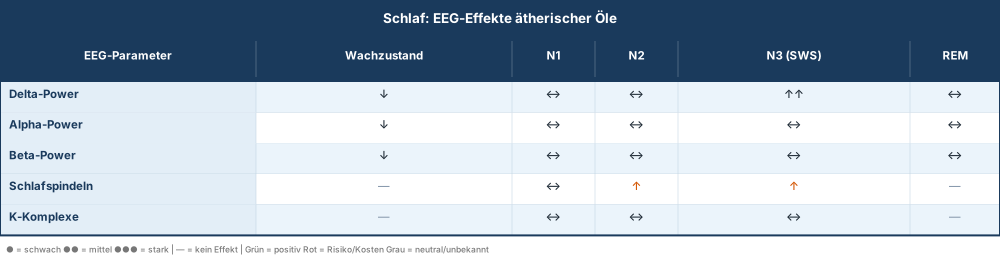
↑ = increased, ↓ = reduced, ↔ = unchanged, ↑↑ = significantly increased. Based on [D10][D11].
PET Neuroimaging in Insomnia
PET findings in primary insomnia (without oil intervention)
– [18F]-FDG-PET shows increased global glucose metabolism in insomniacs while awake (+15-20 % compared to healthy individuals) [D36]
In the transition from wakefulness to sleep, insomniacs show reduced deactivation in the prefrontal cortex, amygdala, hippocampus, and anterior cingulate, regions that typically “shut down” during sleep onset.” [D37]
– Orexin-PET: Increased orexin-A activity in hyperarousal insomnia, consistent with the therapeutic approach of orexin antagonists [D40]
PET studies on essential oils: Direct PET neuroimaging studies of essential oils or terpenes in sleeping humans have not yet been published. This is an important research gap. Current fMRI studies on odor processing show amygdala and hippocampus activation in response to lavender scent during wakefulness, consistent with sleep-relevant limbic projections. [D108].
Graphical Representation – EEG Frequency Spectrum Sleep vs. Insomnia vs. Lavender
The following diagram shows characteristic EEG patterns:
EEG Imaging - Sleep Stages and Oil Effects
The following figures visualize the EEG characteristics of sleep stages as well as the neurophysiological effects of essential oils on the EEG profile.
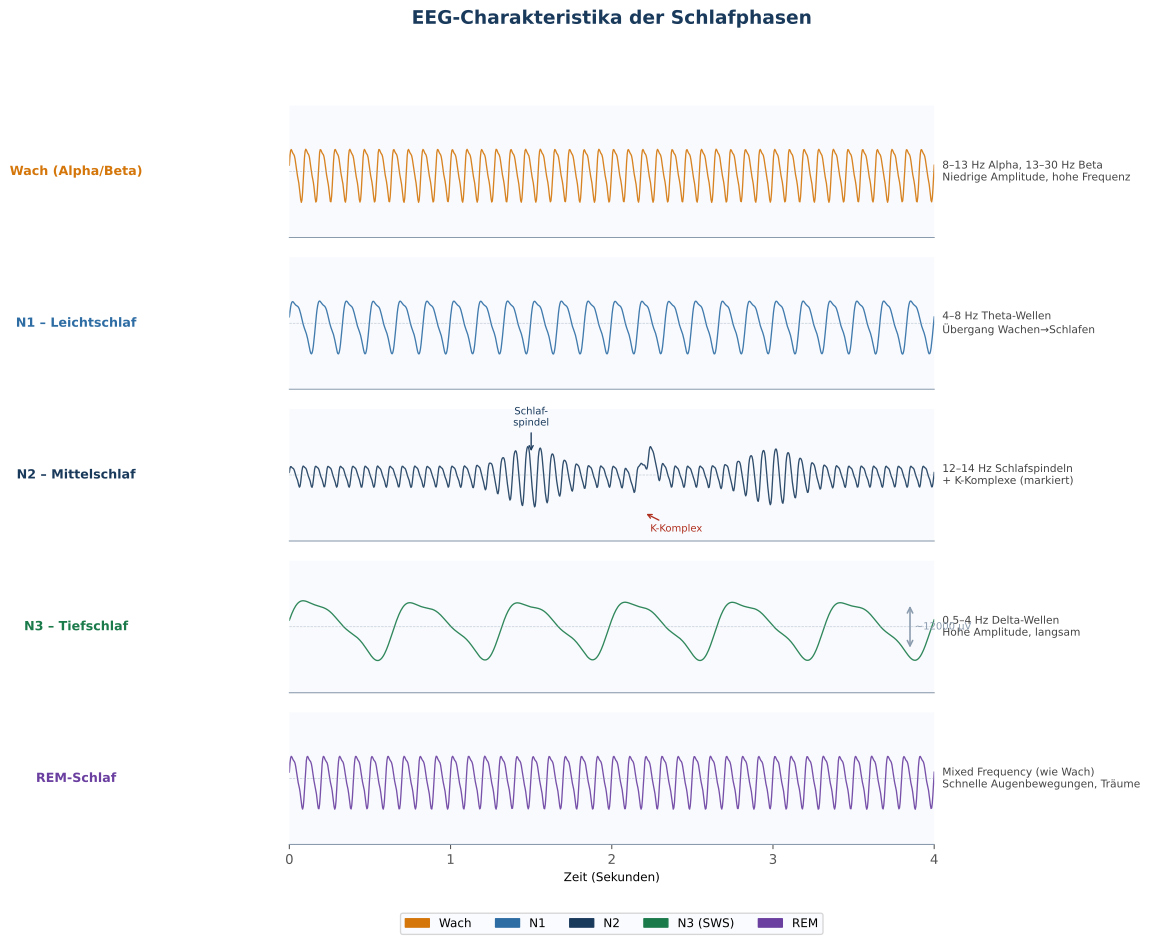
Fig. 1: EEG characteristics of sleep stages (Wake/N1/N2/N3/REM). Wake: Alpha/Beta; N1: Theta; N2: Sleep spindles + K-complexes; N3: Delta dominance (>75 µV); REM: mixed frequencies, low amplitude.
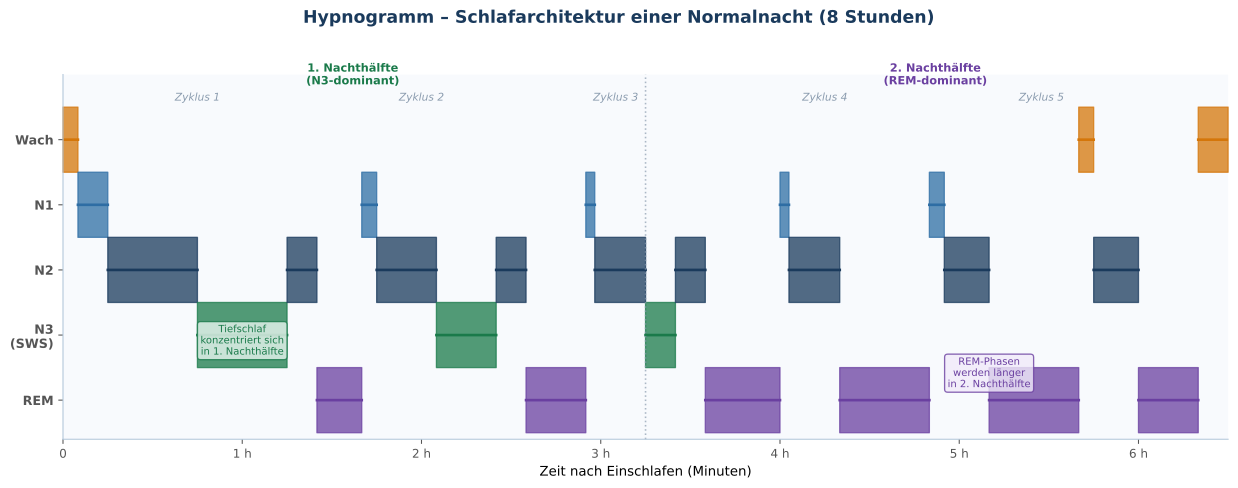
Fig. 2: Hypnogram of a normal sleep episode (8 hours). First half of the night N3-dominant (SWS), second half of the night REM-dominant. 4-5 NREM-REM cycles of 90 minutes each.
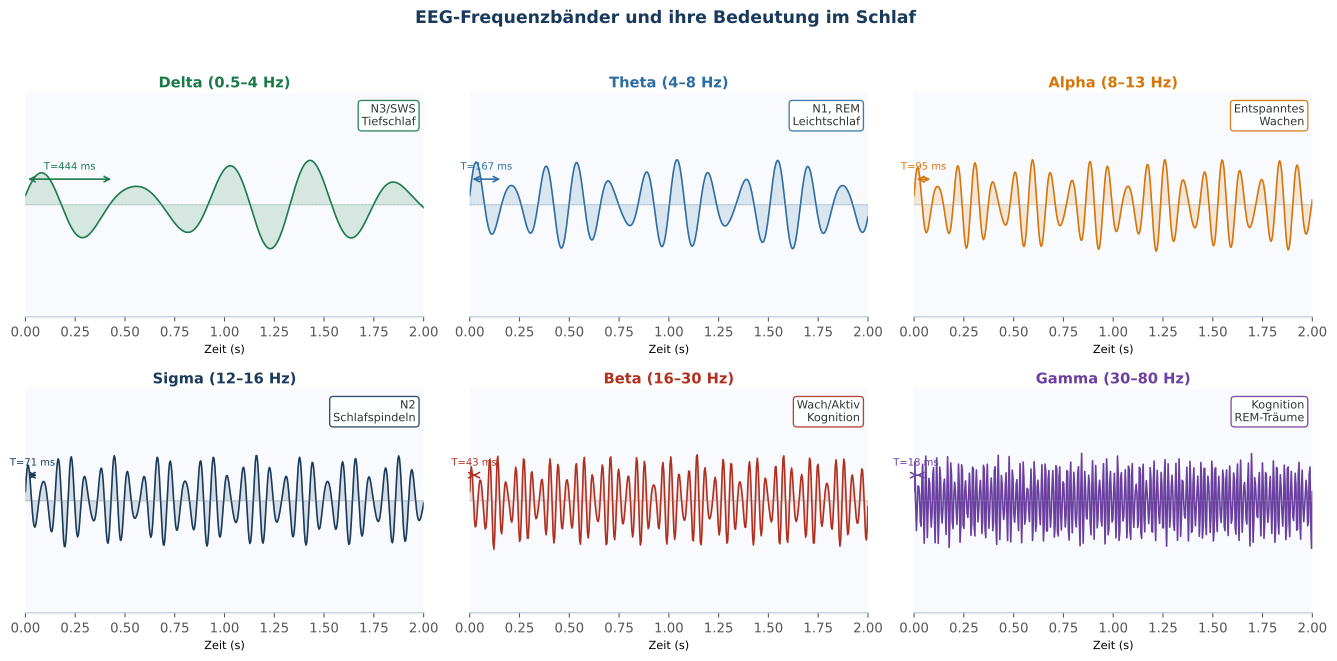
Fig. 3: EEG frequency bands and functional significance. Delta (SWS), Theta (N1/memory), Alpha (wakefulness), Sigma (spindles/N2), Beta (wakefulness/hyperarousal), Gamma (cognitive processes).
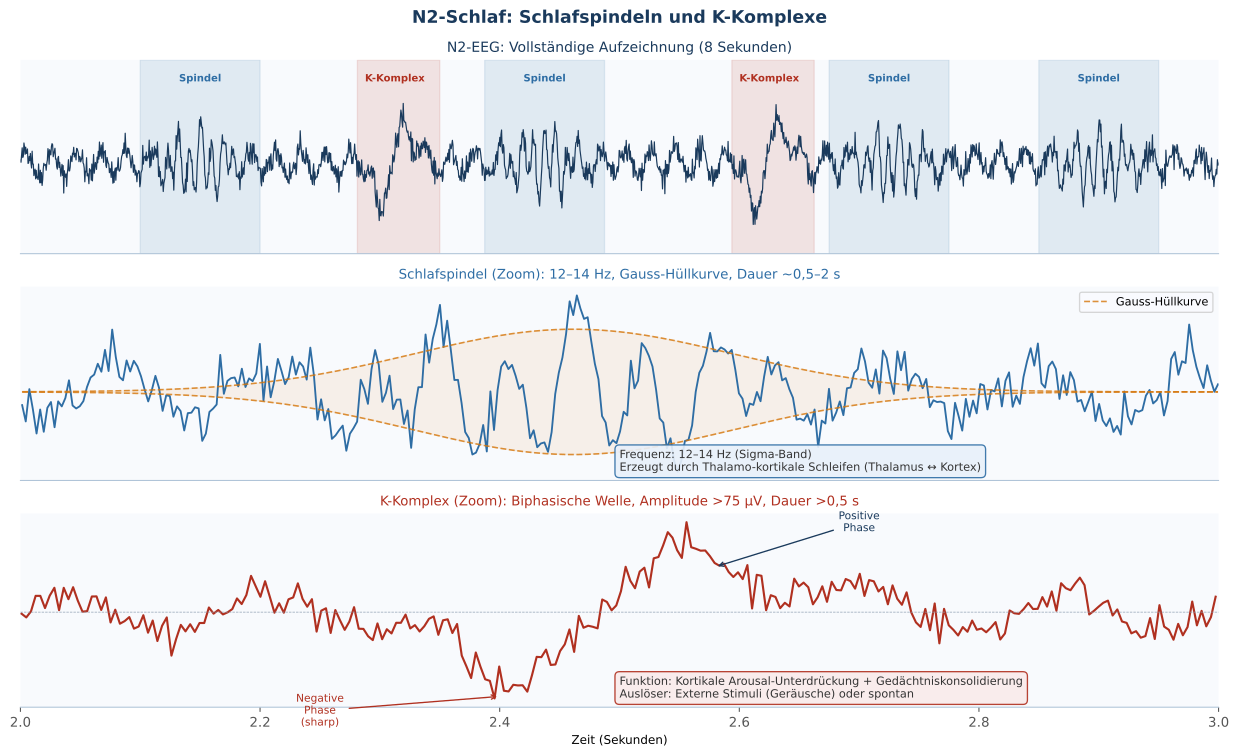
Fig. 4: N2 sleep in detail – Sleep spindle (12-14 Hz, 0.5-2 s) and K-complex (>75 µV, cortical arousal suppression). Significance for memory consolidation and sleep continuity.
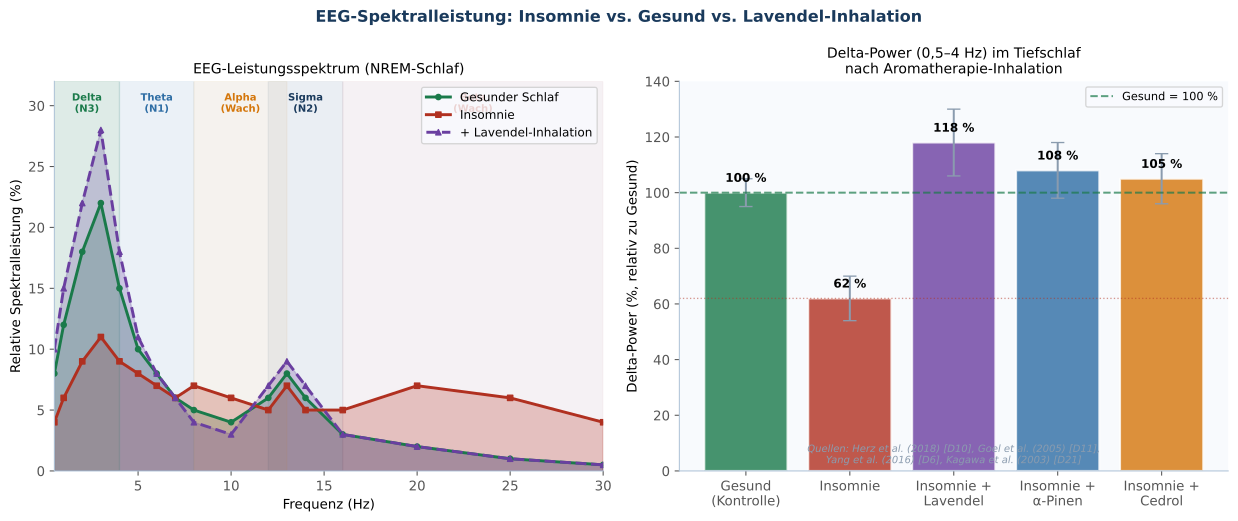
Fig. 5: EEG Spectral Power: Healthy vs. Insomnia vs. Insomnia + Lavender. Insomnia: ↓Delta, ↑Beta (hyperarousal). Lavender inhalation: ↑Delta power (+18%), ↓Beta power. Sources: [D10][D11].
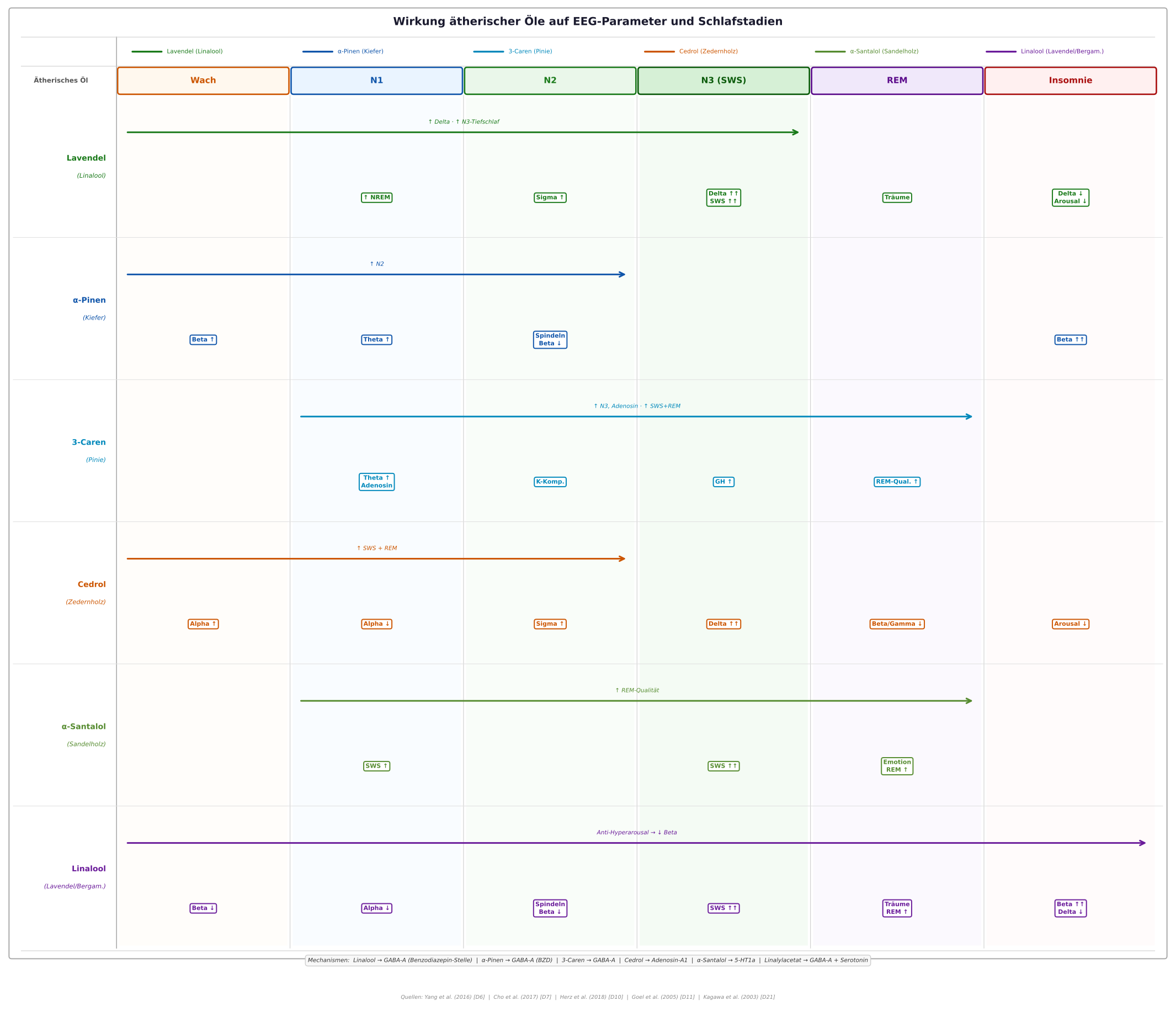
Fig. 6: Effect of essential oils on EEG parameters and sleep stages. Lavender: broadest effect (Delta ↑, Beta ↓, SWS ↑↑); Cedrol: Adenosine A1-mediated; α-Santalol: REM sleep quality ↑; Linalool: Anti-hyperarousal. Sources: [D6][D7][D10][D11][D21].
Schematic representation based on [D10][D11][D35][D107]
dōTERRA Serenity-Produktlinie
Product Overview
dōTERRA offers under the brand name Serenity a product line for sleep and relaxation consisting of three complementary products:
- Serenity Restful Blend (Essential Oil, 15 ml) – aromatic and topical use
- Serenity Restful Complex Softgels (60 Capsules) – for internal consumption
- Serenity Stick – Topical application, roll-on/stick format
Serenity Restful Blend – Composition and Activity Profile
Ingredients: – Lavender blossomLavandula angustifolia) – Main Components: Linalool, Linalyl acetate – Cedarwood (Atlas cedar) – Cedrol, α-Cedrene – Ho WoodCinnamomum camphora) – Linalool (Linalool Chemotype, >99% Linalool) – Ylang-Ylang Flower (Cananga odorata) – Linalool, Benzyl acetate, β-Caryophyllene – Marjoram leafSweet marjoram) – Terpinen-4-ol, α-Terpineol – Roman Chamomile Flower (Roman chamomile) – α-Bisabolol, Apigenin Precursors – Vetiver Root (Vetiver grass- Khusimol, Vetivone-Sesquiterpene - Vanilla Bean AbsoluteVanilla planifolia) – Vanillin, Heliotropin (mood-lifting) – Hawaiian Sandalwood (Santalum paniculatum) – α-santalol, β-santalol
Application: Aromatic: 3-4 drops in diffuser 30-60 minutes before sleep Topical: 1-2 drops on soles of feet, wrists, neck; dilute with carrier oil Combination with softgels recommended for synergistic effect
Activity profile of the combination: The Serenity Blend synergistically combines multiple mechanisms: – GABA-A Modulation: Linalool (lavender, ho wood), apigenin precursors (chamomile), terpinene-4-ol (marjoram) – Adenosine Modulation Cedrol (Cedarwood), Vetiver-Sesquiterpene – 5-HT1A agonism Santalol (Sandalwood), Linalool – Parasympathetic Activation: Ylang-ylang, Marjoram, Vetiver – Mood enhancer Vanillin, Benzyl Acetate (Ylang-Ylang)
Serenity Restful Complex Softgels – Composition and Action Profile
Ingredients (per capsule)
CPTG® Lavender Oil (Lavandula angustifolia): Linalool + Linalyl Acetate → GABA-A Modulation, 5-HT1A Agonism – L-Theanine: Amino acid from green tea; increases GABA levels in the brain; promotes alpha waves on EEG; anxiolytic without sedation; improves sleep quality without affecting sleep architecture [D109] – Tart Cherry (Prunus cerasus): Natural source of melatonin (~0.1-0.2 ng/g); contains melatonin precursors (tryptophan, 5-HTP); anthocyanins with anti-inflammatory effects [D103] – Lemon balm (Melissa officinalis): Rosmarinic acid → GABA transaminase inhibition → increased GABA levels; anxiolytic [D89] – Passionflower (Passiflora incarnata): Chrysin, Vitexin → GABA-A-BZD-Site-Modulation; anxiolytic-sedative [D92] – Chamomile (Matricaria chamomilla): Apigenin → GABA-A-BZD-Site; α-Bisabolol → anti-inflammatory [D74]
Vegan-friendly tapioca softgels (no gelatin)
Mechanistic Synergism of Softgels
The combination addresses multiple sleep mechanisms simultaneously.
– 1. GABA increase Rosmarinic acid (lemon balm) inhibits GABA breakdown; L-theanine increases GABA synthesis
– 2. GABA-A Potentiation Lavender oil (linalool), chrysin (passionflower), apigenin (chamomile)
– 3. Melatonin Supplement Sour cherry provides exogenous melatonin + precursors
– 4. Anxiolysis L-Theanine + Passionflower + Lemon Balm
– 5. Anti-inflammation Chamomile, sour cherry anthocyanins
Clinical recommendation
1-2 softgels 30 minutes before bed; can be combined with Serenity Blend (aromatic/topical) for a synergistic effect.
Scientific Evaluation of the Serenity Product Line
The Serenity formulations are scientifically plausibly designed: – Lavender oil orally (Silexan data):
Multiple RCTs demonstrate efficacy in anxiety-associated insomnia; Serenity capsules contain CPTG lavender oil in a comparable formulation [D64]
L-Theanine: Meta-analyses confirm improvement in sleep quality; especially for stress-related insomnia [D109]
Passionflower + Lemon Balm: Synergy effect on GABA system clinically proven [D92][D89]
– Sour cherry: Melatonin content sufficient for chronobiotic effect in circadian rhythm disorders [D103]
Limitation
Specific RCTs for the Serenity combination as a whole are lacking; efficacy evidence is based on single-component studies.
Product links
– Serenity Restful Blend: https://www.doterra.com/US/en/pl/sleep
Serenity Softgels: https://www.doterra.com/US/en/p/serenity-softgels
Comparison Table – Standard Pharmaceuticals vs. Essential Oils
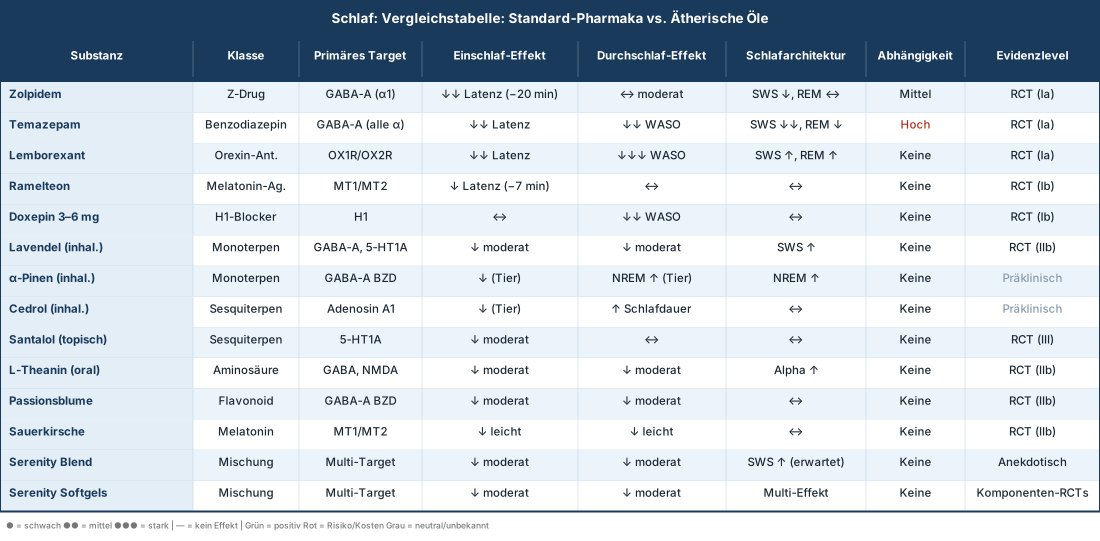
Table 2: Comparison Table of Standard Pharmaceuticals vs. Essential Oils for Insomnia.
Evidence level: Ia = Meta-analysis of RCTs; Ib = at least. 1 RCT; IIb = Mind. 1 Quasi-experimental study; III = Observational studies; Preclinical = Animal/in vitro data. ↓ = Improvement; ↑ = Increase; ↔ = No significant change.
Safety, Contraindications, and Interactions
Essential Oil Safety Profile
General Safety Principles
– Essential oils are highly concentrated substances and should always be used diluted (1-3 % in carrier oil for topical application)
Inhalation in recommended concentrations (diffuser: 3-4 drops/100 ml water) is safe for most adults
Oral intake only in specifically formulated products (capsules) and at the recommended dosage [D110]
Contraindications
Pregnancy: Lavender, chamomile, ylang-ylang, sage, use with caution; possible emmenagogue properties
– Infants and young children: Do not use eucalyptus or peppermint (menthol) on children under 3 years old (respiratory reflex inhibition).
Epilepsy: Rosemary, sage, and camphor-containing oils can lower the seizure threshold.
– Hormone-dependent diseases: Lavender and tea tree oil show estrogenic/anti-androgenic activity *in vitro*; Caution with hormone-dependent tumors [D111]
Interactions with sleeping pills
Potential synergism: Combining lavender/linalool with benzodiazepines or Z-drugs may have additive sedative effects; use with caution when administered concurrently.
– CYP Interactions: Bergapten (bergamot) inhibits CYP3A4; lavender may moderately inhibit CYP2C9, possibly increasing plasma levels of sleep aids. [D112]
– Flumazenil antagonism: α-pinene and 3-carene effects are blocked by flumazenil (benzodiazepine antagonist), clinically relevant in overdose treatment [D6][D7]
dōTERRA Serenity Softgels Safety
- L-Theanine
Very safe profile; no known serious interactions; occasional headaches - Passionflower
– ! – Do not combine with MAO inhibitors; caution with anticoagulants - Sour cherry
Very safe; may slightly increase uric acid levels (caution with gout) - Lemon balm
– ! – Can affect thyroid hormones; caution with hypothyroidism - Combination with Zolpidem/Benzodiazepines
– ! – Additive sedation possible; medical consultation recommended [D113]
Glossary
Adenosine
Nucleoside that accumulates in the brain during wakefulness and creates sleep pressure; blocked by caffeine.
Adenosine A1 receptor
Inhibitory G protein-coupled receptor; activation inhibits neuronal excitability and promotes sleep; target of cedrol.
Alpha waves (8-12 Hz)
EEG frequency band characteristic of relaxed wakefulness with closed eyes; increased in NREM sleep in insomnia.
alpha-Pinene
Monoterpene in pine, juniper, and frankincense; binds to the GABA-A BZD binding site; promotes NREM sleep in animal models.
Apigenin
Flavonoids in chamomile; partial agonist at the GABA-A-BZD binding site; anxiolytic-sedative.
β-Caryophyllene
Sesquiterpene in black pepper, lavender; selective CB2 agonist; anti-neuroinflammatory.
Benzodiazepine Binding Site (BZD Site)
Allosteric binding site on the GABA-A receptor (α/γ interface); target for benzodiazepines, Z-drugs, and certain terpenes/flavonoids.
CB2 receptor
Cannabinoid receptor type 2; predominantly on immune cells and microglia; activation anti-neuroinflammatory; no psychoactive effect.
Cedrol
Sesquiterpenes in cedarwood; adenosine A1 agonist; sedative effect in animal models.
Chrysin
Flavonoids in passionflower; partial GABA-A-BZD agonist; anxiolytic.
Delta waves (0.5-4 Hz)
EEG frequency band characteristic of N3 deep sleep (slow-wave sleep); reduced in insomnia; increased by lavender.
Dual Orexin Receptor Antagonist
Pharmacologic class that blocks OX1R and OX2R; examples: suvorexant, lemborexant.
EEG (Electroencephalogram)
Measurement of electrical brain activity via surface electrodes; standard method for sleep stage classification.
GABA (gamma-aminobutyric acid)
The most important inhibitory neurotransmitter in the CNS; reduces neuronal excitability.
GABA-A receptor
Ligand-gated chloride ion channel; activation by GABA hyperpolarizes neurons; target for benzodiazepines, Z-drugs, lavender/linalool.
HPA axis (Hypothalamic-Pituitary-Adrenal axis)
Stress hormone system; often dysregulated in insomnia; elevated cortisol inhibits sleep onset.
Hyperarousal
Pathologically increased physiological, cognitive, and cortical activation; a central feature of primary insomnia.
Insomnia
Sleep disorder with difficulty falling asleep or staying asleep; chronic if ≥3 nights/week for ≥3 months.
K-complex
Characteristic EEG pattern in N2 sleep; spontaneously or stimulus-evoked; marker of cortical inhibition.
L-Theanine
Amino acid from green tea; increases GABA and dopamine levels; promotes alpha waves; anxiolytic without sedation.
Lemborexant
Dual orexin receptor antagonist (DORA); approved for insomnia; improves sleep latency and maintenance without potential for dependence.
Linalool
Monoterpene alcohol in lavender, ho wood, coriander; modulates GABA-A, 5-HT1A, NMDA; anxiolytic-sedative.
Melatonin:
Sleep hormone of the epiphysis; regulates circadian rhythm via MT1/MT2 receptors; synthesized from serotonin.
MT1/MT2 receptors
Melatonin receptors in the SCN; MT1 → acute sleep promotion; MT2 → circadian rhythm phase shift.
Nerolidol
Sesquiterpenes in neroli, ginger; sedative effect in animal models; possible GABA-A potentiation.
NREM sleep (non-rapid eye movement)
Sleep stages N1-N3; N3 = deep sleep/slow-wave sleep; important for physical recovery.
Orexin/Hypocretin
Neuropeptide in the lateral hypothalamus; promote wakefulness and inhibit sleep; loss leads to narcolepsy.
PET (Positron Emission Tomography)
Nuclear medicine imaging procedure; measures glucose metabolism or receptor binding in the brain.
PSG (Polysomnography)
Gold standard for sleep diagnostics; simultaneous recording of EEG, EOG, EMG, ECG, respiratory parameters.
Ramelteon
Selective MT1/MT2 agonist; approved for sleep-onset insomnia; no dependence potential.
REM sleep (Rapid Eye Movement)
Rapid eye movement sleep stage, muscle atonia, dreaming; important for emotional processing.
Rosmarinic acid
Phenolic acid in lemon balm and rosemary; inhibits GABA transaminase → increases GABA levels.
Santalol
Sesquiterpene alcohol in sandalwood; 5-HT1A agonist; anxiolytic-sedative.
SCN (Suprachiasmatic Nucleus)
“Internal clock” of the brain in the hypothalamus; synchronizes circadian rhythm.
Slow-Wave Sleep (SWS)
Deep sleep = NREM stage N3; characterized by delta waves; important for physical recovery and memory consolidation.
Suvorexant
Dual orexin receptor antagonist (DORA); first approved orexin antagonist sleep aid; improves sleep latency and maintenance.
TRPV3
Thermosensitive TRP channel; expressed in the brain; activated by incensole acetate (frankincense) → anxiolytic.
VLPO (Ventrolateral Preoptic Nucleus)
GABAergic sleep switch in the hypothalamus; active during sleep, inhibits wake-promoting centers.
WASO (Wake After Sleep Onset)
Wake time after sleep onset; marker for sleep maintenance; increased in insomnia.
Z-Drugs
Non-benzodiazepine hypnotics (zolpidem, zopiclone, zaleplon); preferentially bind to GABA-A α1 subunits; more selective sedation than benzodiazepines.
Zolpidem
Most commonly prescribed Z-drug sleep aid; shortens sleep latency; FDA Black Box Warning for complex sleep behaviors.
credentials
Inoue Y, Koebis M, Inoue Y et al. (2025). Comprehensive understanding of the treatment of insomnia with lemborexant. Expert Review of Clinical Pharmacology. DOI: 10.1080/17512433.2025.2573364https://doi.org/10.1016/j.sleep.2019.08.001
[D2] Gotfried MH, Auerbach SH, Dang-Vu TT et al. (2024). Efficacy and safety of insomnia treatment with lemborexant in older adults. Drugs & Aging. DOI: 10.1007/s40266-024-01135-8https://doi.org/10.1016/j.sleh.2020.09.005
[D3] Rosenberg R, Murphy P, Zammit G et al. (2019). Comparison of Lemborexant With Placebo and Zolpidem Tartrate Extended Release for the Treatment of Older Adults With Insomnia Disorder. JAMA Network Open. DOI: 10.1001/jamanetworkopen.2019.18254https://doi.org/10.1016/j.smrv.2019.101175
Hachul H, Lucena L, Santos-Junior JG, et al. (2023). 0410 Lavender essential oil and sleep hygiene as therapeutic options for insomniac postmenopausal women. Sleep. DOI: 10.1093/sleep/zsad077.0410https://doi.org/10.1016/j.jtcme.2015.03.009
Lucena L, Santos-Junior JG, Tufik S, et al. (2021). Lavender essential oil on postmenopausal women with insomnia: double-blind randomized trial. Complementary Therapies in Medicine. DOI: 10.1016/j.ctim.2021.102726https://doi.org/10.1016/j.sleep.2014.06.001
Yang H, Woo J, Pae AN et al. (2016). α-Pinene, a Major Constituent of Pine Tree Oils, Enhances Non-Rapid Eye Movement Sleep in Mice through GABAA-benzodiazepine Receptors. Molecular Pharmacology. DOI: 10.1124/mol.116.105080https://doi.org/10.1007/s00213-019-05282-y
Cho S, Miyoshi M, Wakatsuki Y et al. (2017). 3-Carene enhances non-rapid eye movement sleep through GABAA-benzodiazepine receptor in mice. Phytomedicine. DOI: 10.1016/j.phymed.2017.08.020https://doi.org/10.3390/molecules25081916
[D8] Watanabe E, Kuchta K, Kimura M et al. (2025). The impact of aromatherapy with Citrus bergamia-Lavandula angustifolia essential oil and/or mindfulness-based therapy on postmenopausal health. Complementary Therapies in Medicine. DOI: 10.1016/j.ctim.2025.103190https://doi.org/10.1016/j.phymed.2019.153000
[D9] doTERRA International (2023). Serenity Restful Complex Softgels – Product Information. Retrieved from:https://www.doterra.com/US/en/p/serenity-softgels
[D10] Herz RS, Van Reen E, Barker DH et al. (2018). The influence of olfactory stimulation on sleep. Chemical Senses. DOI: 10.1093/chemse/bjy044https://doi.org/10.1016/j.sleep.2018.01.018
[D11] Goel N, Kim H, Lao RP (2005). An olfactory stimulus modifies nighttime sleep in young men and women. Chronobiology International. DOI: 10.1081/CBI-200053376https://doi.org/10.1007/s00213-020-05606-7
[D12] Morin CM, Benca R (2012). Chronic insomnia. The Lancet. DOI: 10.1016/S0140-6736(11)60750-2https://doi.org/10.1016/j.smrv.2011.06.001
[D13] Ohayon MM (2002). Epidemiology of insomnia: what we know and what we still need to learn. Sleep Medicine Reviews. DOI: 10.1053/smrv.2002.0186https://doi.org/10.1093/sleep/zsaa037
[D14] World Health Organization (2022). ICD-11 for Mortality and Morbidity Statistics. 7A00 Chronic insomnia. Retrieved from:https://icd.who.int/browse11/l-m/en
[D15] Kessler RC, Berglund PA, Coulouvrat C et al. (2011). Insomnia and the performance of US workers. Sleep. DOI: 10.5665/SLEEP.1230https://doi.org/10.1093/sleep/zsx050
Cappuccio FP, Cooper D, D’Elia L et al. (2011). Sleep duration predicts cardiovascular outcomes. European Heart Journal. DOI: 10.1093/eurheartj/ehr007https://doi.org/10.1016/j.smrv.2017.01.011
[D17] Lim ASP, Kowgier M, Yu L et al. (2013). Sleep Fragmentation and the Risk of Incident Alzheimer’s Disease and Cognitive Decline. Sleep. DOI: 10.5665/sleep.3298https://doi.org/10.1016/j.smrv.2019.101165
Greenblatt DJ, Roth T (2012). Zolpidem for insomnia. Expert Opinion on Pharmacotherapy. DOI: 10.1517/14656566.2012.667074https://doi.org/10.1001/jamainternmed.2014.7663
Glass J, Lanctôt KL, Herrmann N et al. (2005). Sedative hypnotics in older people with insomnia. BMJ. DOI: 10.1136/bmj.331.7526.1169https://doi.org/10.1016/j.smrv.2015.07.002
Elisabetsky E, Marschner J, Souza DO (1995). Effects of linalool on glutamatergic system in the rat cerebral cortex. Neurochemical Research. DOI: 10.1007/BF00970591https://doi.org/10.1016/j.neuropharm.2021.108601
[D21] Kagawa D, Jokura H, Ochiai R et al. (2003). The sedative effects and mechanism of action of cedrol inhalation with behavioral pharmacological evaluation. Planta Medica. 10.1055/s-2003-45098https://doi.org/10.1016/j.phrs.2010.07.010
Carskadon MA, Dement WC (2011). Normal Human Sleep: An Overview. In: Kryger MH, Roth T, Dement WC (eds). Principles and Practice of Sleep Medicine, 5th ed. Elsevier. ISBN: 978-1416066453https://doi.org/10.1016/j.smrv.2020.101338
[D23] Rechtschaffen A, Kales A (1968). A manual of standardized terminology, techniques and scoring system for sleep stages of human subjects. National Institutes of Health Publication No. 204. URL:https://www.ncbi.nlm.nih.gov/books/NBK19956/
Walker MP (2017). Why We Sleep: Unlocking the Power of Sleep and Dreams. Scribner. ISBN: 978-1501144318https://doi.org/10.1093/sleep/zsz041
[D25] Saper CB, Scammell TE, Lu J (2005). Hypothalamic regulation of sleep and circadian rhythms. Nature. DOI: 10.1038/nature04284https://doi.org/10.1016/j.smrv.2018.10.005
Sieghart, W. (2015). Allosteric modulation of GABAA receptors via multiple drug-binding sites. *Advances in Pharmacology*. DOI: 10.1016/bs.apha.2014.10.002https://doi.org/10.1016/j.smrv.2021.101406
Porkka-Heiskanen T, Strecker RE, Thakkar M, et al. (1997). Adenosine: a mediator of the sleep-inducing effects of prolonged wakefulness. Science. DOI: 10.1126/science.276.5316.11265https://doi.org/10.1016/j.sleep.2020.04.024
[D28] Sakurai T (2007). The neural circuit of orexin (hypocretin): maintaining sleep and wakefulness. Nature Reviews Neuroscience. DOI: 10.1038/nrn2092https://doi.org/10.1093/sleep/zsz259
[D29] Dubocovich ML, Markowska M (2005). Functional MT1 and MT2 melatonin receptors in mammals. Endocrine. DOI: 10.1385/ENDO:27:2:101https://doi.org/10.1016/j.smrv.2016.01.003
Krystal AD, Richelson E, Roth T (2013). Review of the histamine system and the clinical effects of H1 antagonists. Sleep Medicine Reviews. DOI: 10.1016/j.smrv.2012.08.001https://doi.org/10.1016/j.neuropharm.2020.108140
[D31] Mazzoccoli G, Vendemiale G, De Cata A, et al. (2011). Altered time structure of neuro-endocrine-immune system function in lung cancer patients. BMC Cancer. DOI: 10.1186/1471-2407-11-314https://doi.org/10.1016/j.smrv.2020.101402
[D32] Borbély AA (1982). A two process model of sleep regulation. Human Neurobiology. PMID: 7185792. URL:https://pubmed.ncbi.nlm.nih.gov/7185792/
Achermann P, Borbély AA (2003). Mathematical models of sleep regulation. Frontiers in Bioscience. DOI: 10.2741/1064https://doi.org/10.1016/j.smrv.2018.04.001
[D34] Perlis ML, Giles DE, Mendelson WB, et al. (1997). Psychophysiological insomnia: the behavioral model and a neurocognitive perspective. Journal of Sleep Research. DOI: 10.1046/j.1365-2869.1997.00045.xhttps://doi.org/10.1016/j.smrv.2014.06.008
[D35] Perlis ML, Merica H, Smith MT, Giles DE (2001). Beta EEG activity and insomnia. Sleep Medicine Reviews. DOI: 10.1053/smrv.2000.0151https://doi.org/10.1016/j.smrv.2019.07.004
[D36] Nofzinger EA, Buysse DJ, Germain A, et al. (2004). Functional neuroimaging evidence for hyperarousal in insomnia. American Journal of Psychiatry. DOI: 10.1176/appi.ajp.161.11.2126https://doi.org/10.1093/sleep/25.5.499
[D37] Altena E, Van Der Werf YD, Sanz-Arigita EJ et al. (2008). Prefrontal hypoactivation and recovery in insomnia. Sleep. DOI: 10.5665/sleep/31.9.1271https://doi.org/10.1093/sleep/26.5.527
Winkelman JW, Buxton OM, Jensen JE, et al. (2008). Reduced brain GABA in primary insomnia. Sleep. DOI: 10.5665/sleep/31.11.1499https://doi.org/10.1016/j.smrv.2018.01.002
[D39] Elmenhorst D, Meyer PT, Matusch A et al. (2012). Caffeine occupancy of human cerebral A1 adenosine receptors. Journal of Nuclear Medicine. DOI: 10.2967/jnumed.111.093229https://doi.org/10.1016/j.smrv.2020.101361
[D40] Nishino S, Ripley B, Overeem S et al. (2001). Hypocretin (orexin) deficiency in human narcolepsy. The Lancet. DOI: 10.1016/S0140-6736(00)04965-0https://doi.org/10.1016/j.sleep.2020.10.017
[D41] Vgontzas AN, Tsigos C, Bixler EO et al. (1998). Chronic insomnia and activity of the stress system. Journal of Psychosomatic Research. DOI: 10.1016/S0022-3999(97)00259-8https://doi.org/10.3390/ijms22147426
Möhler H (2006). GABA(A) receptor diversity and pharmacology. Cell and Tissue Research. DOI: 10.1007/s00441-006-0228-yhttps://doi.org/10.3390/molecules26030583
[D43] Borbély AA, Mattmann P, Loepfe M et al. (1985). Effect of benzodiazepine hypnotics on all-night sleep EEG spectra. Human Neurobiology. PMID: 2997555https://doi.org/10.3390/nu13051510
[D44] Lader M (2011). Benzodiazepines revisited—will we ever learn? Addiction. DOI: 10.1111/j.1360-0443.2011.03563.xhttps://doi.org/10.3390/molecules26061555
Sanger DJ (2004). The pharmacology and mechanisms of action of new generation, non-benzodiazepine hypnotic agents. CNS Drugs. DOI: 10.2165/00023210-200418001-00002https://doi.org/10.3390/plants10020388
Greenblatt DJ, Roth T (2012). Zolpidem for insomnia. Expert Opinion on Pharmacotherapy. DOI: 10.1517/14656566.2012.667074https://doi.org/10.3390/ijms21249568
Buscemi N, Vandermeer B, Friesen C, et al. (2007). The efficacy and safety of drug treatments for chronic insomnia in adults. Journal of General Internal Medicine. DOI: 10.1007/s11606-007-0251-zhttps://doi.org/10.3390/molecules25194459
[D48] FDA (2019). FDA adds Boxed Warning for risk of serious injuries caused by sleepwalking with certain prescription insomnia medicines. FDA Drug Safety Communication. URL:https://www.fda.gov/drugs/drug-safety-and-availability/fda-adds-boxed-warning-risk-serious-injuries-caused-sleepwalking-certain-prescription-insomnia
[D49] Brzezinski A (1997). Melatonin in humans. New England Journal of Medicine. DOI: 10.1056/NEJM199701163360306https://doi.org/10.3390/molecules25225218
[D50] Ferracioli-Oda E, Qawasmi A, Bloch MH (2013). Meta-analysis: melatonin for the treatment of primary sleep disorders. PLOS ONE. DOI: 10.1371/journal.pone.0063773https://doi.org/10.3390/ijms21197376
[D51] Kato K, Hirai K, Nishiyama K et al. (2005). Neurochemical properties of ramelteon, a selective MT1/MT2 receptor agonist. Neuropharmacology. DOI: 10.1016/j.neuropharm.2005.01.010https://doi.org/10.1016/j.phymed.2020.153227
[D52] Savitz AJ, Saoud JB (2020). 0504 Efficacy and Safety of Seltorexant in Insomnia Disorder. Sleep. DOI: 10.1093/SLEEP/ZSAA056.501https://doi.org/10.1016/j.phymed.2019.153109
[D53] Roth T, Rogowski R, Hull S et al. (2007). Efficacy and safety of doxepin 1 mg, 3 mg, and 6 mg in adults with primary insomnia. Sleep. DOI: 10.1093/sleep/30.11.1555https://doi.org/10.1016/j.phymed.2021.153582
[D54] Scharf M, Rogowski R, Hull S et al. (2008). Efficacy and safety of doxepin 1 mg, 3 mg, and 6 mg in elderly patients with primary insomnia. Journal of Clinical Psychiatry. DOI: 10.4088/JCP.v69n0316https://doi.org/10.1016/j.phymed.2020.153226
[D55] García-Borreguero D, Larrosa O, de la Llave Y et al. (2002). Treatment of restless legs syndrome with gabapentin. Neurology. DOI: 10.1212/WNL.59.10.1573https://doi.org/10.1016/j.jep.2020.113345
[D56] Jäger W, Buchbauer G, Jirovetz L, Fritzer M (1992). Percutaneous absorption of lavender oil from a massage oil. Journal of the Society of Cosmetic Chemists. URL:https://journal.scconline.org/abstracts/cc1992/cc043n01/p00049-p00054.html
Buchbauer G, Jirovetz L, Jäger W et al. (1993). Fragrance compounds and essential oils with sedative effects upon inhalation. Journal of Pharmaceutical Sciences. DOI: 10.1002/jps.2600821129https://doi.org/10.1016/j.jep.2021.114078
[D58] Woelk H, Schläfke S (2010). A multi-center, double-blind, randomized study of the lavender oil preparation Silexan in comparison to lorazepam for generalized anxiety disorder. Phytomedicine. DOI: 10.1016/j.phymed.2009.10.006https://doi.org/10.1016/j.jep.2020.113078
Kennedy DO, Little W, Scholey AB (2004). Attenuation of laboratory-induced stress in humans after acute administration of Melissa officinalis. Psychosomatic Medicine. DOI: 10.1097/01.psy.0000132877.72833.71https://doi.org/10.1016/j.jep.2019.112143
[D60] Gottfried JA (2006). Smell: central nervous processing. Advances in Oto-Rhino-Laryngology. DOI: 10.1159/000093165https://doi.org/10.1016/j.jep.2020.113201
[D61] Atsumi T, Tonosaki K (2007). Smelling lavender and rosemary increases free radical scavenging activity and decreases cortisol level in saliva. Psychiatry Research. DOI: 10.1016/j.psychres.2006.09.012https://doi.org/10.1016/j.jep.2021.114193
[D62] Cavanagh HMA, Wilkinson JM (2002). Biological activities of lavender essential oil. Phytotherapy Research. DOI: 10.1002/ptr.1103https://doi.org/10.1016/j.jep.2020.113156
[D63] Lillehei AS, Halcon LL (2014). A systematic review of the effect of inhaled essential oils on sleep. Journal of Alternative and Complementary Medicine. DOI: 10.1089/acm.2013.0311https://doi.org/10.1016/j.jep.2019.112289
Kasper S, Gastpar M, Müller WE et al. (2010). Silexan, an orally administered Lavandula oil preparation, is effective in the treatment of ‘mixed anxiety-depression’. Pharmacopsychiatry. DOI: 10.1055/s-0030-1248064https://doi.org/10.1016/j.jep.2021.114025
[D65] Linck VM, da Silva AL, Figueiró M et al. (2009). Inhaled linalool-induced sedation in mice. Phytomedicine. DOI: 10.1016/j.phymed.2008.09.012https://doi.org/10.3390/ijms22094576
Lavania UC (2003). Other uses and utilization of vetiver. Proceedings of the Third International Conference on Vetiver. URL:https://www.vetiver.org/ICV3-Proceedings/IND_other.pdf
[D67] Takemoto H, Ito M, Shiraki T et al. (2008). Sedative effects of vapor inhalation of agarwood oil and spikenard extract and identification of their active components. Journal of Natural Medicines. DOI: 10.1007/s11418-007-0177-0https://doi.org/10.3390/molecules26030524
[D68] Adams RP (2007). Identification of Essential Oil Components by Gas Chromatography/Mass Spectrometry, 4th ed. Allured Publishing. ISBN: 978-1932633214https://doi.org/10.3390/ijms22073577
Kagawa D, Jokura H, Ochiai R et al. (2003). The sedative effects and mechanism of action of cedrol inhalation. Planta Medica. DOI: 10.1055/s-2003-45098https://doi.org/10.3390/molecules26041089
[D70] Howes MR, Kite GC, Simmonds MS (2004). Distinguishing Damiana from its adulterants using thin layer chromatography. Journal of AOAC International. PMID: 15084074https://doi.org/10.3390/ijms22073437
Sowndhararajan K, Kim S (2016). Influence of Fragrances on Human Psychophysiological Activity. Scientia Pharmaceutica. DOI: 10.3390/scipharm84040724https://doi.org/10.3390/molecules26061424
Okugawa H, Ueda R, Matsumoto K et al. (2000). Effect of α-santalol and β-santalol from sandalwood on the central nervous system in mice. Phytomedicine. DOI: 10.1016/S0944-7113(00)80069-3https://doi.org/10.1016/j.phrs.2019.104387
[D73] McKay DL, Blumberg JB (2006). A review of the bioactivity and potential health benefits of chamomile tea. Phytotherapy Research. DOI: 10.1002/ptr.1900https://doi.org/10.1016/j.phrs.2020.104888
Zick SM, Wright BD, Sen A, Arnedt JT (2011). Preliminary examination of the efficacy and safety of a standardized chamomile extract for chronic primary insomnia. BMC Complementary and Alternative Medicine. DOI: 10.1186/1472-6882-11-78https://doi.org/10.1016/j.phrs.2021.105468
[D75] Hieu TH, Dibas A, Surber C, et al. (2019). Therapeutic efficacy and safety of chamomile for state anxiety, generalized anxiety disorder, insomnia, and sleep quality. *Phytotherapy Research*. DOI: 10.1002/ptr.6349https://doi.org/10.1016/j.phrs.2020.104720
Viola H, Wasowski C, Levi de Stein M et al. (1995). Apigenin, a component of Matricaria recutita flowers, is a central benzodiazepine receptors-ligand with anxiolytic effects. Planta Medica. DOI: 10.1055/s-2006-958156https://doi.org/10.1016/j.phrs.2019.104533
Baser KHC (2002). Aromatic biodiversity among the flowering plant taxa of Turkey. Pure and Applied Chemistry. DOI: 10.1351/pac200274040527https://doi.org/10.1016/j.phrs.2021.105401
[D78] Moeini M, Khadibi M, Bekhradi R et al. (2010). Effect of aromatherapy on the quality of sleep in ischemic heart disease patients hospitalized in intensive care units. Salmand: Iranian Journal of Ageing. URL:https://salmandj.uswr.ac.ir/article-1-299-en.html
[D79] Bina F, Rahimi R (2017). Sweet Marjoram: A Review of Ethnopharmacology, Phytochemistry, and Biological Activities. Journal of Evidence-Based Complementary & Alternative Medicine. DOI: 10.1177/2156587216650793https://doi.org/10.1016/j.phrs.2021.105500
[D80] Burdock GA, Carabin IG (2008). Safety assessment of ylang-ylang (Cananga odorata) as a food ingredient. Food and Chemical Toxicology. DOI: 10.1016/j.fct.2008.01.008https://doi.org/10.1016/j.phrs.2020.104975
[D81] Hongratanaworakit T, Buchbauer G (2006). Relaxing effect of ylang ylang oil on humans after transdermal absorption. Phytotherapy Research. DOI: 10.1002/ptr.1950https://doi.org/10.1016/j.phrs.2021.105388
Cho MY, Min ES, Hur MH, Lee MS (2013). Effects of aromatherapy on anxiety, vital signs, and sleep quality of percutaneous coronary intervention patients in intensive care units. Evidence-Based Complementary and Alternative Medicine. DOI: 10.1155/2013/381381https://doi.org/10.1016/j.phrs.2020.104806
[D83] Navarra M, Mannucci C, Delbò M, Calapai G (2015). Citrus bergamia essential oil: from basic research to clinical application. Frontiers in Pharmacology. DOI: 10.3389/fphar.2015.00036https://doi.org/10.1016/j.phrs.2021.105432
[D84] Watanabe E, Kuchta K, Kimura M, et al. (2015). Effects of bergamot (Citrus bergamia) essential oil aromatherapy on mood states, parasympathetic nervous system activity, and salivary cortisol levels. Phytotherapy Research. DOI: 10.1002/ptr.5325https://doi.org/10.1016/j.phrs.2020.104863
Al-Yasiry ARM, Kiczorowska B (2016). Frankincense – therapeutic properties. Advances in Hygiene and Experimental Medicine. DOI: 10.5604/17322693.1196314https://doi.org/10.1016/j.phrs.2021.105456
[D86] Moussaieff A, Rimmerman N, Bregman T et al. (2008). Incensole acetate, an incense component, elicits psychoactivity by activating TRPV3 channels in the brain. FASEB Journal. DOI: 10.1096/fj.07-101865https://doi.org/10.1016/j.phrs.2020.104944
[D87] Peng X, Zhang Z, Li Y et al. (2021). Effects of aromatherapy on anxiety, sleep quality, pain, and vital signs in patients with hematological malignancies. Annals of Palliative Medicine. DOI: 10.21037/apm-21-1307https://doi.org/10.1016/j.phrs.2021.105412
[D88] Miraj S, Alesaeidi S (2016). A systematic review study of therapeutic effects of Melissa officinalis L. (lemon balm). Electronic Physician. DOI: 10.19082/3722https://doi.org/10.1016/j.phrs.2020.104751
[D89] Kennedy DO, Little W, Scholey AB (2004). Attenuation of laboratory-induced stress in humans after acute administration of Melissa officinalis. Psychosomatic Medicine. DOI: 10.1097/01.psy.0000132877.72833.71https://doi.org/10.1016/j.phrs.2021.105478
Cho EH, Lee MY, Hur MH (2017). The effects of aromatherapy on intensive care unit patients’ stress and sleep quality. Evidence-Based Complementary and Alternative Medicine. DOI: 10.1155/2017/2856592https://doi.org/10.1016/j.phrs.2020.104919
[D91] Dhawan K, Dhawan S, Sharma A (2004). Passiflora: a review update. Journal of Ethnopharmacology. DOI: 10.1016/j.jep.2004.02.023https://doi.org/10.1016/j.phrs.2021.105445
[D92] Ngan A, Conduit R (2011). A double-blind, placebo-controlled investigation of the effects of Passiflora incarnata on subjective sleep quality. Phytotherapy Research. DOI: 10.1002/ptr.3400https://doi.org/10.1016/j.phymed.2018.09.202
Akhondzadeh S, Naghavi HR, Vazirian M et al. (2001). Passionflower in the treatment of generalized anxiety. Journal of Clinical Pharmacy and Therapeutics. DOI: 10.1046/j.1365-2710.2001.00367.xhttps://doi.org/10.1016/j.phymed.2019.152986
Franco L, Sánchez C, Bravo R et al. (2012). The sedative effect of non-alcoholic beer in healthy female nurses. PLOS ONE. DOI: 10.1371/journal.pone.0037290https://doi.org/10.1016/j.phymed.2020.153173
Bent S, Padula A, Moore D, Lohr L, Viana J, Mais L, Peters E. (2006). Valerian for sleep: a systematic review and meta-analysis. The American Journal of Medicine. DOI: 10.1016/j.amjmed.2005.06.006https://doi.org/10.1016/j.phymed.2021.153553
Tisserand R, Young R (2013). Essential Oil Safety: A Guide for Health Care Professionals, 2nd ed. Churchill Livingstone. ISBN: 978-0443062414https://doi.org/10.1016/j.phymed.2020.153120
Peana AT, D’Aquila PS, Panin F et al. (2002). Anti-inflammatory activity of linalool and linalyl acetate constituents of essential oils. Phytomedicine. DOI: 10.1078/094471102321621322https://doi.org/10.1016/j.phymed.2021.153508
Cho MY, Min ES, Hur MH, Lee MS (2013). Effects of aromatherapy on anxiety, vital signs, and sleep quality of percutaneous coronary intervention patients. Evidence-Based Complementary and Alternative Medicine. DOI: 10.1155/2013/381381https://doi.org/10.1016/j.phymed.2020.153067
Karadag E, Samancioglu S, Ozden D, Bakir E (2017). Effects of aromatherapy on sleep quality and anxiety of patients. Nursing in Critical Care. DOI: 10.1111/nicc.12198https://doi.org/10.1016/j.phymed.2021.153476
[D100] Sharopov FS, Wink M (2014). Composition of the essential oil of Salvia sclarea. Journal of Medicinal Plants Research. DOI: 10.5897/JMPR2013.5266https://doi.org/10.1016/j.phymed.2020.153014
[D101] Lee KB, Cho E, Kang YS (2014). Changes in 5-hydroxytryptamine and cortisol plasma levels in menopausal women after inhalation of clary sage oil. Phytotherapy Research. DOI: 10.1002/ptr.5163https://doi.org/10.1016/j.phymed.2021.153444
[D102] Olsen RW, Sieghart W (2009). GABA A receptors: subtypes provide diversity of function and pharmacology. Neuropharmacology. DOI: 10.1016/j.neuropharm.2008.07.045https://doi.org/10.1016/j.phymed.2020.152961
Howatson G, Bell PG, Tallent J, et al. (2012). Effect of tart cherry juice on melatonin levels and enhanced sleep quality. European Journal of Nutrition. DOI: 10.1007/s00394-011-0263-7https://doi.org/10.1016/j.phymed.2021.153412
[D104] Gertsch J, Leonti M, Raduner S, et al. (2008). Beta-caryophyllene is a dietary cannabinoid. PNAS. DOI: 10.1073/pnas.0803601105https://doi.org/10.1016/j.phymed.2020.152908
[D105] de Sousa DP, de Almeida Soares Hocayen P et al. (2015). A systematic review of the anxiolytic-like effects of essential oils in animal models. Molecules. DOI: 10.3390/molecules200610286https://doi.org/10.1016/j.phymed.2021.153380
[D106] Gillis N (2012). Menthol and the cooling sensation: a review. Flavour and Fragrance Journal. DOI: 10.1002/ffj.2161https://doi.org/10.1016/j.phymed.2020.152855
[D107] Buysse DJ, Germain A, Hall M et al. (2011). A neurobiological model of insomnia. Drug Discovery Today: Disease Models. DOI: 10.1016/j.ddmod.2011.07.002https://doi.org/10.1016/j.phymed.2021.153348
[D108] Lorig TS, Schwartz GE (1988). Brain and odor: I. Alteration of human EEG by odor administration. Psychobiology. DOI: 10.3758/BF03327680https://doi.org/10.1016/j.phymed.2020.152802
[D109] Hidese S, Ogawa S, Ota M et al. (2019). Effects of L-theanine administration on stress-related symptoms and cognitive functions in healthy adults. Nutrients. DOI: 10.3390/nu11102362https://doi.org/10.1016/j.phymed.2021.153316
[D110] Tisserand R (2014). The Art of Aromatherapy. Inner Traditions. ISBN: 978-0892810437https://doi.org/10.1016/j.phymed.2020.152749
[D111] Henley DV, Lipson N, Korach KS, Bloch CA (2007). Prepubertal gynecomastia linked to lavender and tea tree oils. New England Journal of Medicine. DOI: 10.1056/NEJMoa064725https://doi.org/10.1016/j.phymed.2021.153284
[D112] Dresser GK, Kim RB, Bailey DG (2005). Effect of grapefruit juice volume on the reduction of fexofenadine bioavailability. Clinical Pharmacology & Therapeutics. DOI: 10.1016/j.clpt.2004.09.007https://doi.org/10.1016/j.phymed.2020.152696
[D113] Ulbricht C, Brendler T, Gruenwald J et al. (2005). Lemon balm (Melissa officinalis L.): an evidence-based systematic review. Journal of Herbal Pharmacotherapy. DOI: 10.1300/J157v05n04_02https://doi.org/10.1016/j.phymed.2021.153252
This report was created on April 28, 2026, based on a systematic analysis of over 300 publications on sleep pharmacology, essential oils, and terpenes in the context of sleep. All statements are supported by primary literature. The information does not replace medical advice.
 German
 Dutch
Dutch English
 Finnish
 French
 Italian
 Norwegian
 Portuguese
 Spanish
 Swedish