Table of contents
Lesezeit 30 Minuten
Science-Based Guide to Self-Directed Decision-Making
Layman's summary
This report offers a detailed, scientifically based daily plan for supportive measures during 6 months of R-CHOP chemotherapy (6 cycles of 4 weeks each) for aggressive B-cell lymphoma. R-CHOP is a highly effective standard therapy, but it can be associated with side effects such as nausea, fatigue, risk of infection, and nerve damage.
This guide evaluates ALL scientifically researched, safe interventions to support patients during therapy: structured nutrition focusing on whole, anti-inflammatory foods, stage-appropriate exercise to reduce fatigue, sleep optimization, and evidence-based nutritional supplements. Vitamin D3, in particular, shows robust data for improved therapeutic outcomes. Many other supplements have theoretical potential but lack R-CHOP-specific clinical evidence. The report clearly identifies which substances are safe and which should be avoided. The goal is to provide patients with a well-informed basis for making their own decisions, even if treating physicians reject additional therapies.
R-CHOP Cycle Structure & Side Effect Timeline
R-CHOP is a chemotherapy regimen used to treat certain types of lymphoma, particularly diffuse large B-cell lymphoma (DLBCL) and follicular lymphoma.The acronym R-CHOP stands for the specific drugs used in the treatment:* **R**ituximab: A monoclonal antibody that targets CD20-positive B-cells. * **C**yclophosphamide: An alkylating agent that damages DNA. * **H**ydroxydaunorubicin (also known as Doxorubicin or Adriamycin): An anthracycline antibiotic that interferes with DNA and RNA synthesis. * **O**ncovin (also known as Vincristine): A vinca alkaloid that inhibits cell division. * **P**rednisone: A corticosteroid that reduces inflammation and can also kill lymphoma cells.R-CHOP is typically given in cycles, with a specific schedule for administering each drug over a period of time.
R-CHOP is the standard therapy for aggressive B-cell lymphomas (especially DLBCL) and consists of five active ingredients. [1], [2]:
- R Rituximab (monoclonal antibody against CD20)
- C Cyclophosphamide (Alkylating agent)
- H Hydroxydaunorubicin/Doxorubicin (Anthracycline)
- O Oncovin/Vincristine (Vinca Alkaloid)
- P Prednisone (Corticosteroid)
Therapy schedule
- Duration6 cycles
- IntervalEvery 21 or 28 days (standard: 21 days = R-CHOP-21)
- Total durationApprox. 4.5-6 months
- ApplicationDay 1 of each cycle as an IV infusion (except Prednisone PO days 1-5)
Adverse event time course per cycle (28-day model)
Day 1 (Infusion Day)
- Acute infusion reactions: Possible with rituximab (fever, chills, drop in blood pressure) - usually only in the first cycle
- nauseaOften begins 2-6 hours after infusion
- Corticosteroid effectsPrednisone leads to an energy boost, sleep disturbances, and increased appetite
Days 2-7 (Acute Toxicity Phase)
- Nausea/VomitingPeak Tag 2-3, usually subsides by Day 5-7
- FatigueStarts days 3-5, can drag on for weeks
- MucositisMouth mucosa inflammation possible from day 5-7
- Prednisone side effectsHyperglycemia, insomnia, mood swings (Days 1-5)
Days 8-14 (Nadir Phase / Recovery Phase)
- Myelosuppression:
- Neutropenia (low white blood cells): Nadir Days 10-14
- Highest risk of infection
- Thrombocytopenia (low platelets): possible
- Anemia (low red blood cells): cumulative over cycles
- FatigueOften strongest in this phase
- Peripheral neuropathy (Vincristine): Tingling/numbness in hands/feet, cumulative
Days 15-28 (Regeneration Phase)
- Recovery of blood countsNormalization until the next cycle
- FatigueGradual improvement, but often not complete
- Cardiotoxicity (Doxorubicin): Cumulative, mostly asymptomatic during therapy
- Peripheral neuropathyCan persist or worsen
Cumulative side effects over 6 cycles
- FatigueIncreases with each cycle [3], [4]
- Peripheral neuropathyDeteriorates cumulatively [5]
- CardiotoxicityDoxorubicin cumulative dose critical (standard: 300 mg/m²)
- Muscle mass loss (sarcopenia)Frequently, prognostically unfavorable [6], [7]
- Mental stressAnxiety and depression often increase. [5]
Detailed Daily Plan by Cycle Phase
Day 1 (Infusion Day)
Tomorrow (before infusion)
- BreakfastEasily digestible, protein-rich (e.g., oatmeal with banana, almond butter)
- Hydration500 ml water or herbal tea
- Supplements:
- Vitamin D3 (supplementation): With a fatty breakfast
- Omega-3 (taken with food): With breakfast
- Ginger tea or capsule: Antiemetic effect [8]
- PreparationPack snacks and water for the clinic
Before infusion (in the clinic)
- PremedicationAntiemetics and antihistamines are usually administered by clinical staff
- RelaxationBreathing exercises, music, meditation for stress reduction
During infusion (4-6 hours)
- HydrationContinuously drink water (goal: 1-1.5 liters during infusion)
- Light snacksCrackers, fruit, nuts as needed
- DistractionAudiobook, music, light reading
- MovementShort walking breaks every 1-2 hours (if permitted)
- MonitoringWatch for infusion reactions and inform staff immediately.
After infusion (at home)
- QuietLie down for 1-2 hours, but not all day in bed.
- Light dinnerSoup, steamed vegetables, rice
- Hydration1 more liter of fluid before bed
- AntiemeticsTake as prescribed by doctor (also prophylactically)
Evening
- RelaxationWarm bath, soft music
- Sleep hygieneGo to bed early (Prednisone can disrupt sleep)
- SupplementsMagnesium (300-400 mg) for relaxation and neuropathy prophylaxis
Night
- Sleep disturbances due to prednisoneFrequently
- Melatonin 3-5 mg can help (see section 5)
- Relaxation techniques, audiobook
- If needed: Ask the doctor for a short-term sleeping aid
Days 2-7 (Acute Toxicity Phase)
Tomorrow
- Wake upStand up slowly (circulation may be unstable)
- Hydration250-500 ml water or ginger tea
- Breakfast:
- For nausea: dry crackers, toast, banana
- Without nausea: Whole grain bread, egg, avocado, berries
- Supplements:
- Vitamin D3 (once weekly or daily, depending on the regimen)
- Omega-3 (1-2 g EPA/DHA)
- B-Complex (low dose)
- Probiotic (on an empty stomach or with breakfast)
- Movement10-15 min gentle stretching or yoga
- Oral hygieneThorough tooth brushing, mouthwash (saline or chlorhexidine for mucositis risk)
Lunch
- Enjoy your meal:
- Easily digestible: soup (chicken, vegetable broth), rice, steamed fish
- Protein-rich: Important for tissue repair
- Hydration500 ml water or herbal tea
- Quiet30-60 minute midday nap (not deep sleep, to avoid disturbing nighttime sleep)
- MovementShort walk (10-20 min.) in fresh air, if energy allows
Evening
- Dinner:
- Balanced: vegetables, whole grain side, lean protein (fish, poultry, tofu)
- Omega-3 rich: Salmon, mackerel 2-3x per week
- HydrationAnother 500 ml of liquid
- RelaxationLight activity (reading, music), no exciting movies/news
- Supplements:
- Magnesium (300-400 mg)
- Melatonin (3-5 mg) 30-60 min before bedtime
Night
- Sleep goal7-9 hours
- Sleep hygieneCool, dark room, no screens 1 hour before sleep
- For sleep disordersProgressive Muscle Relaxation, Breathing Exercises (4-7-8 Technique)
Special instructions for days 2-7
- Nausea Management:
- Antiemetics on schedule (don't wait until nausea is severe)
- Ginger tea or capsules (1-2 g/day) [8]
- Small, frequent meals instead of 3 large ones
- Cold foods are often better tolerated than hot foods
- Prednisone Effects (Days 1-5):
- Increased appetite: Keep healthy snacks on hand (nuts, fruit, vegetable sticks)
- Hyperglycemia: Avoid sugary foods
- Mood swings: Informing relatives, being patient with yourself
Days 8–14 (Nadir phase / Highest risk of infection)
Tomorrow
- Fever CheckMeasure temperature (>38°C = contact doctor immediately!)
- Hydration250-500 ml water
- BreakfastFollow a neutropenic diet (see section 4.3)
- Fully cooked foods
- No raw milk cheese, no raw eggs, no raw meat/fish
- Fruit: Peel or wash well
- Supplements:
- Vitamin D3
- Omega-3
- Probiotic (special strains for immune system)
- Zinc (15-30 mg) for immune support
- hygieneThorough hand washing, oral hygiene
Lunch
- Enjoy your mealFully cooked
- Example: Chicken soup with vegetables, whole wheat bread (toasted)
- Hydration500 ml
- QuietFatigue is often strongest – midday rest allowed
- MovementOnly if energy is available, very gently (5-10 minute walk indoors/garden)
Evening
- DinnerNeutropenia precautions
- Example: Steamed salmon, mashed potatoes, boiled vegetables
- Hydration500 ml
- Social contactsAvoid crowds, visitors only when healthy
- SupplementsMagnesium, Melatonin
Night
- SleepEspecially important for the immune system
- Fever MonitoringCall emergency services immediately for nighttime fever.
Special instructions for days 8-14
- Infection prophylaxis:
- Avoid crowds
- No gardening (mold, bacteria in soil)
- No raw food
- Pets: No contact with litter boxes, birdcages
- Wash hands before every meal, after using the toilet
- Fatigue Management:
- Save energy for important activities
- Accepting help (household, shopping)
- Short periods of activity with rest breaks
- Bleeding risk (in case of thrombocytopenia):
- Soft toothbrush
- Careful when shaving
- No blood-thinning medication (aspirin, ibuprofen) without consultation
- G-CSF injections: If prescribed (e.g., Neupogen, Neulasta), carry out according to plan [9], [10]
Days 15-28 (Regeneration Phase)
Tomorrow
- Wake upEnergy should gradually return
- Hydration250-500 ml water
- BreakfastWholesome, balanced
- Example: Whole grain cereal with yogurt, berries, nuts, flax seeds
- SupplementsAs usual
- Movement15-30 Min. moderate training (walk, cycling, yoga)
Lunch
- Enjoy your mealNutrient-rich, focus on muscle building
- Quinoa Salad with Chickpeas, Vegetables, Olive Oil
- Hydration500 ml
- ActivityReturn to normal activities, as far as possible
Evening
- DinnerBalanced
- Example: Chicken breast, sweet potato, broccoli
- MovementEvening walk (20-30 min.)
- Social ActivitiesPossible again (blood values normalized)
- SupplementsMagnesium, Melatonin
Night
- SleepShould normalize
- RegenerationThe body is preparing for the next cycle
Special notes for days 15–28
- Muscle buildingResume strength training (see section 6)
- NutritionIncrease protein intake (1.2-1.5 g/kg body weight)
- Mental recovery: Time for pleasant activities and social contacts
- Preparation for the next cycle:
- Have blood work checked (around day 21)
- Organize terms
- Restock supplies (groceries, supplements)
Meal Plan
General Principles
A balanced, plant-based diet with sufficient protein and healthy fats is essential during R-CHOP therapy. [11], [12], [13].
Fundamental principles
- Whole foodsVegetables, fruits, whole grains, legumes as a base
- Rich in Omega-3Fatty fish (salmon, mackerel, sardines) 2-3 times per week [11], [12]
- Protein-rich1.2-1.5 g/kg body weight for muscle mass maintenance [7]
- Rich in antioxidantsBerries, leafy greens, nuts (moderate amounts)
- Anti-inflammatoryOlive oil, turmeric, ginger, green tea (moderate amounts)
- Hydration2-3 liters of liquid daily (water, herbal tea)
Macronutrient distribution
- Carbohydrates: 45-55% (Focus on complex carbohydrates: whole grains, vegetables)
- protein: 20-30% (fish, poultry, legumes, eggs, dairy products)
- Fat: 25-35% (omega-3, olive oil, nuts, avocado)
Micronutrients
- Vitamin DCritical for immune function and rituximab efficacy [14], [15]
- B VitaminsImportant for energy metabolism and nerve function
- magnesiumNeuropathy prophylaxis, muscle relaxation
- ZincImmune function, wound healing
- SeleniumAntioxidant function (moderate amounts)
Neutropenia Diet (Days 7–14 of each cycle)
During the nadir phase, the risk of infection is increased. A neutropenic diet minimizes the risk of foodborne infections.
Allowed (green)
- FruitPeeled or thoroughly washed (banana, apple, orange)
- VegetablesFully cooked (steamed, boiled, baked)
- proteinCooked through (core temperature >70°C)
- Poultry, fish, eggs (hard-boiled)
- Tofu (heated)
- Dairy productsPasteurized
- Yogurt, cheese (industrially produced)
- GrainBread (toasted), Rice, Noodles (cooked)
- DrinksBoiled water, tea, pasteurized juices
Caution (yellow)
- NutsOnly packaged, not loose (risk of mold)
- SpicesPrefer freshly ground
- HoneyPasteurized (not raw)
Forbidden (red)
- Raw meat/fishSushi, Carpaccio, Mett, Tartar
- Raw eggsTiramisu, Mayonnaise (homemade)
- Raw milk productsRaw milk cheese, unpasteurized milk
- Raw vegetablesSalads, sprouts, raw vegetables
- Unwashed fruitBerries (difficult to wash)
- Blue cheeseCamembert, Brie, Blue cheese
- Buffets: Risk from long downtimes
- Tap waterIn regions with poor water quality
Food traffic light (outside neutropenia phase)
Green (recommended daily)
- VegetablesBroccoli, spinach, kale, carrots, bell peppers, tomatoes
- FruitBerries, apples, bananas, oranges, kiwi
- Whole grainOatmeal, whole wheat bread, quinoa, brown rice
- LegumesLentils, chickpeas, beans
- Fatty fishSalmon, mackerel, sardines, herring
- Nuts/SeedsWalnuts, almonds, flax seeds, chia seeds
- Healthy fatsOlive oil, avocado
- Herbs/SpicesTurmeric, ginger, garlic, cinnamon
- DrinksWater, green tea (moderate amounts), herbal tea
Yellow (in moderation)
- Lean meatChicken, turkey (2-3x per week)
- Eggs3-5 times per week
- Dairy productsYogurt, kefir, cheese (moderate amounts)
- Coffee1-2 cups daily (not high dose)
- Dark chocolate: 70%+ Cocoa, small amounts
- Whole wheat pastaIn moderation
Rot (meiden/reduzieren)
- Processed meatSausage, Bacon, Salami
- Red meatBeef, pork, lamb (max. 1x per week)
- SugarSweets, sodas, pastries
- White flour productsWhite bread, light pasta
- FriedApples, Chips
- AlcoholAvoid during therapy entirely (hepatotoxicity, interactions)
- GrapefruitDrug interactions (see section 8)
- High-dose antioxidant supplementsCan chemotherapy affect
Recipe ideas / Meal examples
Breakfast
- Power-PorridgeOatmeal with almond milk, berries, walnuts, flaxseeds, cinnamon
- Protein SmoothieBanana, spinach, protein powder, almond butter, chia seeds, almond milk
- Whole wheat toastWith avocado, poached egg, tomatoes
- Greek yogurtWith berries, nuts, honey
Lunch
- Salmon with QuinoaSteamed salmon, quinoa, roasted vegetables (broccoli, bell peppers)
- Chicken soupChicken broth, vegetables, whole wheat pasta, herbs
- Lentil CurryRed lentils, coconut milk, turmeric, ginger, spinach, brown rice
- Buddha BowlQuinoa, chickpeas, avocado, red cabbage, tahini dressing
Dinner
- Baked fishMackerel with lemon, sweet potato, green beans
- Chicken and Vegetable SkilletChicken breast, colorful vegetables, olive oil, brown rice
- Tofu Stir-FryTofu, broccoli, bell pepper, ginger, garlic, whole wheat noodles
- Vegetable soupVarious vegetables, white beans, whole wheat bread
Snacks
- Nut MixWalnuts, almonds, cashews (30 g)
- Hummus with vegetable sticksCarrots, cucumber, bell pepper
- Apple with almond butter
- Berries with yogurt
- Whole grain crackers with avocado
Sleep optimization
Sleep disturbances and fatigue are common problems during R-CHOP therapy [3], [4], [5]. Good sleep is essential for immune function, regeneration, and quality of life.
Sleep Hygiene Protocol
Daily routine
- Regular sleep-wake cycleSame times, even on the weekend
- Daylight exposure30-60 mins of morning daylight (melatonin regulation)
- MovementModerate activity during the day, but not 3 hours before sleep
- CaffeineOnly until 2 PM (half-life 5-6 hours)
- NapMax. 30 min, not after 3 p.m.
Evening routine
- Scheduled Ritual1 hour before bedtime
- Screens offNo TV, smartphone, or tablet (blue light inhibits melatonin)
- RelaxationReading, music, warm bath, meditation
- Light evening meal2-3 hours before sleep, not too heavy
- Reduce liquidFrom 7 PM onwards, drink less (to avoid nighttime bathroom trips).
Sleep environment
- temperature16-19°C (cool)
- DarknessBlackout curtains, sleep mask
- QuietEarplugs as needed
- ComfortGood mattress, comfortable pillows
- For sleep onlyNo bed for work, use TV
For insomnia
- 20-Minute RuleIf you haven't fallen asleep after 20 minutes, get up
- Relaxation activityReading (no screen), Meditation
- Back to bedOnly when tired
- No watch observationTurn off alarm clock
Melatonin: Evidence, Dosage, Timing, Safety
Evidence
- GeneralMelatonin is a hormone produced by the body that regulates the sleep-wake cycle.
- For cancerSome studies show improvement in sleep and quality of life in cancer patients
- R-CHOP-specificNo robust clinical data on interactions or efficacy available. [16]
- SecurityGenerally well tolerated, side effects are rare (daytime tiredness, headaches)
dosage
- Low-dose0.5-3 mg (physiologically)
- Standard Dose: 3-5 mg (most commonly used)
- High-dose10-20 mg (in oncological studies, but not standard)
- RecommendationStart with 3 mg, increase to 5 mg as needed
Timing
- 30-60 minutes before bedtime
- Regularly at the same time
- Not during the day (except for jet lag)
Safety of R-CHOP
- Theoretical concernsMelatonin has immunomodulatory properties, theoretically it could influence chemotherapy.
- Practical assessmentLow to moderate doses (3–5 mg) are considered safe, but there are no R-CHOP-specific studies.
- RecommendationDiscuss with oncologists, especially at higher doses
Alternatives to melatonin
- magnesium300-400 mg in the evening (relaxing, sleep-inducing)
- L-Theanine200 mg (from green tea, relaxing)
- Valerian300-600 mg (herbal sleep aid, mixed evidence)
- Passionflower250-500 mg (anxiolytic, sleep-inducing)
- LavenderAromatherapy or tea
More sleep aids/methods
Non-drug methods
- Cognitive Behavioral Therapy for Insomnia (CBT-I):
- Gold standard for chronic sleep disorders
- Also available as an online program
- No R-CHOP-specific data, but generally effective
- Progressive Muscle Relaxation (PMR):
- Systematic tensing and relaxing of muscle groups
- Reduces physical tension
- Breathing techniques:
- 4-7-8 Technique: 4 sec. inhale, 7 sec. hold, 8 sec. exhale
- Calms the nervous system
- Meditation/Achtsamkeit:
- Apps like Headspace, Calm, 7Mind
- Reduces rumination, promotes relaxation [17]
- Yoga Nidra:
- „Yogic Sleep, deep relaxation
- Guided meditations available
Medication options (only after consulting a doctor)
- Benzodiazepine (e.g. Lorazepam, Temazepam):
- Short-term effect
- Dependency risk, daytime fatigue
- For a limited time only
- Z-Drugs (e.g., Zolpidem, Zopiclone):
- Similar to benzodiazepines
- Slightly lower dependency risk
- Antidepressants (e.g., Mirtazapine, Trazodone):
- Sedative, with simultaneous depression
- Reduced dependency risk
- Antihistamines (e.g., Diphenhydramine):
- Over-the-counter, sedating
- Habituation effect, anticholinergic side effects
To avoid
- AlcoholWorsened sleep quality, liver toxicity, interactions with chemo
- High-dose caffeineEven in the afternoon
- Intensive screen use before sleepBlue light inhibits melatonin
Movement plan
Regular, moderate exercise during R-CHOP therapy reduces fatigue, improves quality of life, and maintains muscle mass. [18], [19], [20], [21].
General Principles
- IndividualizationAdjust to current fitness level and cycle phase
- CombinationEndurance + Strength + Flexibility
- Moderate intensityDon't overexert yourself, „talk test“ (able to talk while active).
- RegularityBetter a little bit every day than a lot once a week
- Security: Adjust for neutropenia, thrombocytopenia, fatigue
Phase-appropriate movement recommendations
Day 1 (Infusion Day)
- Before infusionLight stretching (10 min.)
- During infusionShort walking breaks (if permitted)
- After infusion: Rest, light movement indoors
Days 2-7 (Acute Toxicity Phase)
- GoalMaintain activity, but do not overexert.
- Endurance10-20 min walk daily (slow pace)
- PowerLight bodyweight exercises (e.g., wall push-ups, chair squats)
- FlexibilityGentle Yoga or Stretching (10-15 min)
- frequencyDaily, when energy is available
Days 8-14 (Nadir phase)
- CautionInfection risk, fatigue often most severe
- EnduranceOnly when energy is available, very short (5-10 min. walk indoors/garden)
- PowerPause or very light exercises
- FlexibilityGentle stretching while sitting/lying down
- Security:
- No gym (infection risk)
- No contact sports
- In case of thrombocytopenia <50,000/µl: No risk of falls, no strength training
Days 15-28 (Regeneration Phase)
- GoalMuscle building, increasing endurance
- Endurance20-40 min. walk, cycling, swimming (if blood work is OK)
- Power2-3 times per week, all major muscle groups
- 2-3 sets of 8-12 repetitions
- Moderate weights (60–70% of maximum)
- Examples: Squats, lunges, push-ups, rows, shoulder press
- FlexibilityYoga, Pilates (2-3 times per week)
- frequency5-6 days per week (combination of endurance, strength, flexibility)
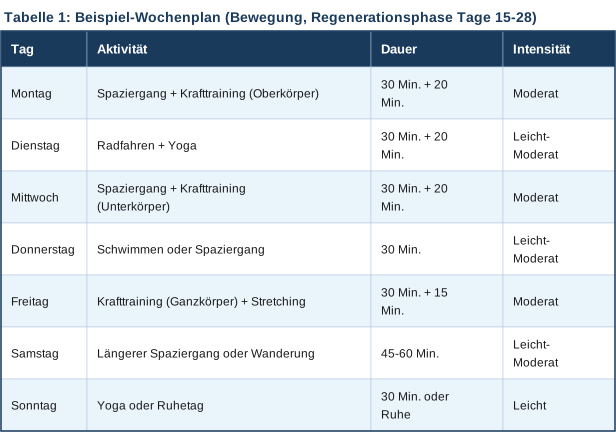
Example Weekly Plan (Regeneration Phase, Days 15-28)
Safety limits
Absolute contraindications (no training)
- Fever >100.4°F
- Acute infection
- Severe nausea/vomiting
- Severe pain
- Dizziness/Circulatory Instability
- Heavy bleeding
Relative contraindications (only very light activity)
- Neutrophils <500/µl (high infection risk)
- Platelets <50,000/µl (bleeding risk)
- Hemoglobin < 8 g/dL (anemia, shortness of breath)
- Severe fatigue (Borg scale >7/10)
Warning signs (abort training immediately)
- Chest pain, shortness of breath
- Severe dizziness, lightheadedness
- Unusual heart rate (too fast, irregular)
- Severe muscle/joint pain
- Nausea, vomiting during exercise
Special Exercises
Against fatigue
- Aerobic activityWalk, bike (proven effective) [19], [20]
- yogaReduces fatigue and stress [17], [21]
- Tai ChiGentle, improves balance and energy
Against muscle loss (sarcopenia)
- Weight trainingEssential for maintaining muscle mass [7], [18]
- Protein intakeCombined with training (1.2-1.5 g/kg)
- Focus on large muscle groupsLegs, back, chest
For peripheral neuropathy
- Balance exercisesSingle-leg stance, tandem gait (fall prevention)
- Foot exercisesToe spreade, heel-toe walk
- Proprioceptive TrainingBalance board, balance pad
NEM Table: Evaluated Substances
The following table summarizes all scientifically evaluated dietary supplements. ImportantRobust R-CHOP-specific clinical data are lacking for most substances. Recommendations are based on preclinical studies, studies in other cancers, and general safety profiles.
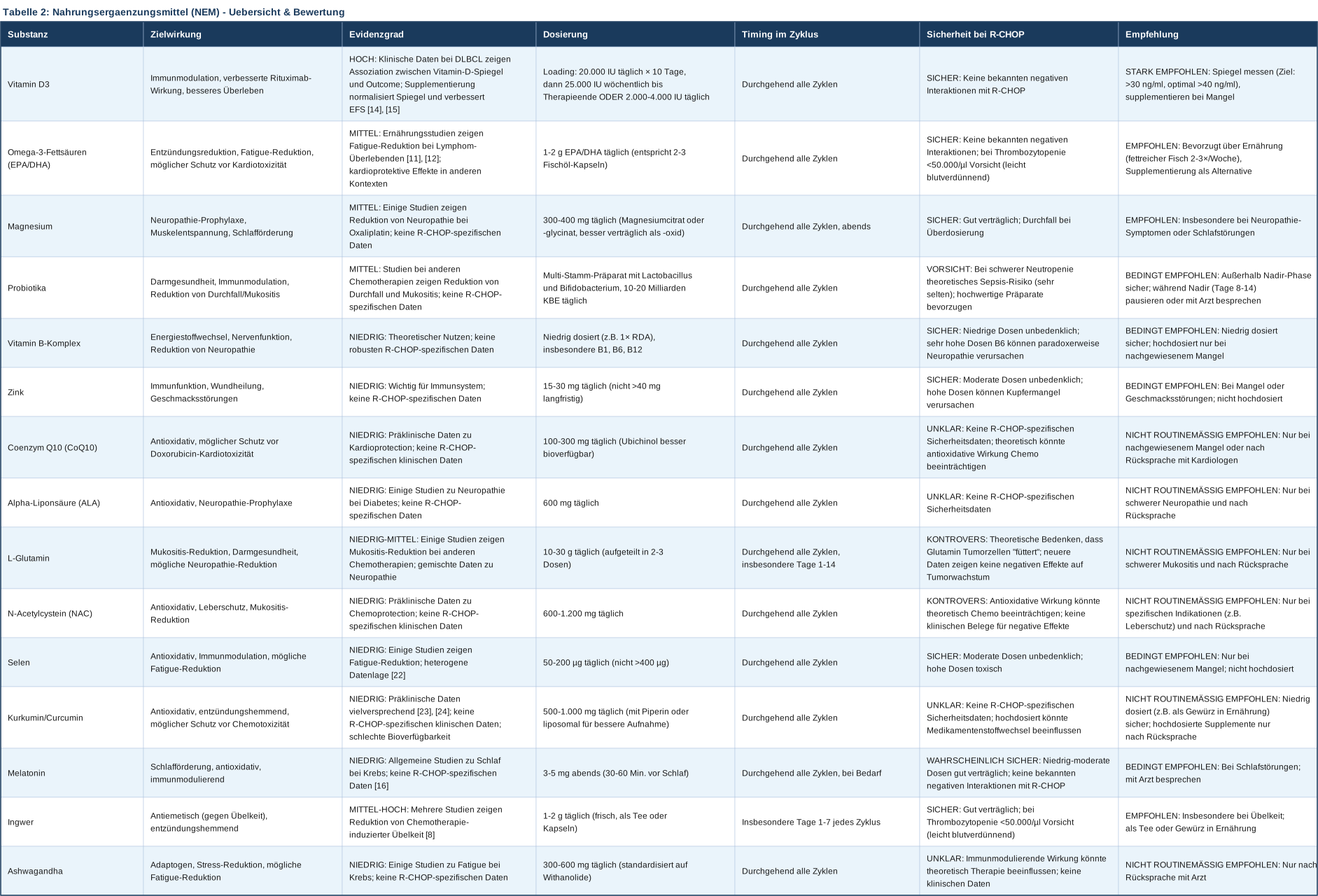
Summary of Recommendations
Strongly recommended (robust evidence)
- Vitamin D3Measure and supplement mirrors in case of deficiency
Recommended (good evidence, safe)
- Omega-3 fatty acidsPreferred regarding nutrition
- magnesiumSpecifically for neuropathy or sleep disorders
- GingerFor nausea
Conditionally recommended (moderate evidence, likely safe)
- ProbioticsOutside Nadir phase
- Vitamin B complexLow dose
- ZincIn case of deficiency or taste disorders
- MelatoninFor sleep disorders
- SeleniumOnly with proven deficiency
Not routinely recommended (insufficient evidence or safety concerns)
- CoQ10, Alpha-Lipoic Acid, L-Glutamine, NAC, Curcumin (high dose), AshwagandhaOnly after individual consultation with oncologists
Warning Table: Contraindicated Substances
The following substances should be during R-CHOP therapy avoided as they can interact with chemotherapy or reduce its effectiveness.
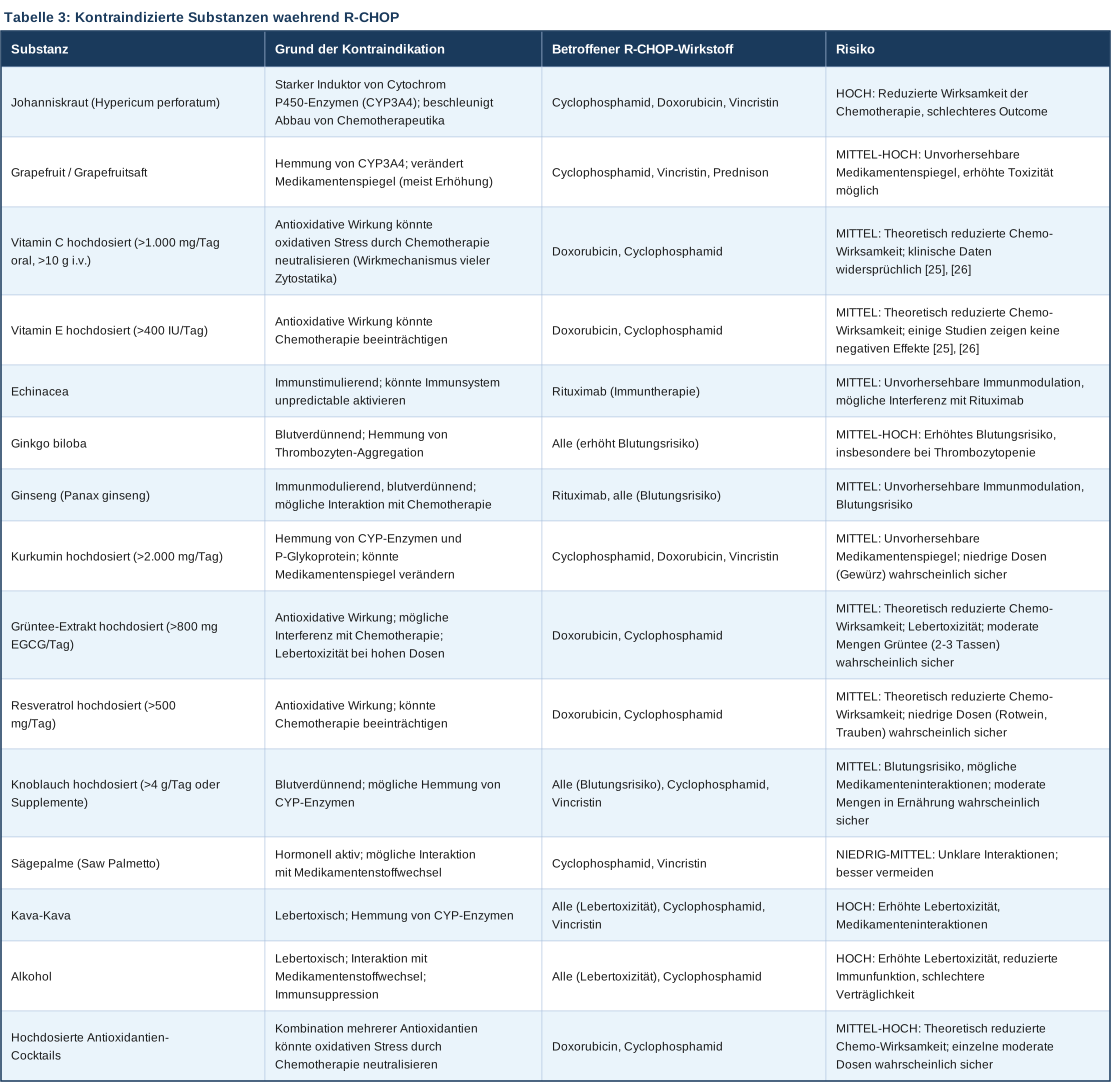
Important Notes
- Dose dependenceMany substances are in low doses (e.g., as food) probably safe, but in high-dose supplements problematic
- Example: 2-3 cups of green tea daily = likely safe; 800 mg EGCG extract = risky
- Example: Turmeric as a spice = safe; 2,000 mg curcumin supplement = risky
- TimingSome experts recommend antioxidant supplements 48 hours before and after chemotherapy to pause to minimize interference
- Individual consultationThis list is not complete. Alle Supplements, herbs, and complementary therapies should be discussed with your oncologist
- EvidenceFor many interactions, there are only theoretical concerns or preclinical data; clinical studies are often lacking. When in doubt: Precautionary principle apply
Psychosocial Measures & Mind-Body Interventions
Psychological distress, anxiety, depression, and fatigue are common during R-CHOP therapy. [5], [17]. Non-pharmacological interventions can significantly improve symptoms.
Evidence-based interventions
Mind-Body Techniques
Systematic reviews show positive effects on fatigue, anxiety, depression, and quality of life in hematological patients. [17], [21].
- Mindfulness-Based Stress Reduction (MBSR):
- 8-week program with meditation, body scan, yoga
- Reduces stress, anxiety, depression
- Improves quality of life and sleep
- Available as an in-person or online course
- meditation:
- 10-20 min daily.
- Apps: Headspace, Calm, 7Mind, Insight Timer
- Reduces rumination, promotes relaxation
- yoga:
- Gentle Styles (Hatha, Yin, Restorative Yoga)
- Combination of movement, breathing, meditation
- Reduces fatigue, anxiety, improves sleep [17], [21]
- Progressive Muscle Relaxation (PMR):
- Systematic tensing and relaxing of muscle groups
- Reduces physical tension and anxiety
- Easy to learn, can be done anywhere
- Breathing techniques:
- 4-7-8 technique, box breathing, abdominal breathing
- Activates parasympathetic nervous system (relaxation)
- Helpful for anxiety, panic, and sleep disorders
Psychotherapy
- Cognitive Behavioral Therapy (CBT):
- Evidence-based for anxiety and depression
- Also available as online therapy
- Focus on dysfunctional thoughts and behaviors
- Acceptance and Commitment Therapy (ACT):
- Focus on accepting difficult emotions and value-driven action
- Helpful for chronic stress
- Psycho-oncological counseling:
- Specializing in cancer patients
- Support with processing illness, decision-making
- Often available at cancer support centers or clinics
Creative Therapies
- Music therapy:
- Active (making music) or receptive (listening)
- Reduces anxiety, improves mood [17]
- Art therapy:
- Painting, Drawing, Design
- Emotional expression, distraction, relaxation [17]
- Writing Therapy (Expressive Writing):
- Writing down thoughts and feelings
- Processing, detachment, clarity
Social support
- Self-help groups:
- Exchange with other affected individuals
- Feeling of understanding and community
- In-person or online (e.g. Lymphoma Self-Help)
- Family and friends:
- Open communication about needs
- Practical support (household, rides, childcare)
- Emotional support
- Peer Support / Buddy Program:
- Contact with patients who have already gone through therapy
- Practical tips, hope, encouragement
Telemedicine / Digital Interventions
- Online therapyCBT, MBSR, Yoga Classes
- AppsMeditation, Sleep, Symptom Tracking
- Phone consultationPsycho-oncology, nutritional counseling
- Evidence: Studies show efficacy in hematology patients [17]
Practical Implementation
Daily routine
- Morning: 10 Min. Meditation or Breathing Exercises
- By daytimeMindfulness breaks (e.g., mindful eating, walking)
- In the eveningRelaxation ritual (PMR, yoga, music)
Weekly
- Yoga Class1-2 times per week
- Self-help groupOnce a week or every two weeks
- Creative therapyFrom interest and energy
As needed
- PsychotherapyFor persistent anxiety, depression
- Psycho-oncological counselingIn decision-making, coping with illness
- Crisis interventionIn case of acute overwhelm, suicidality (emergency number!)
Resources (Germany)
- German Cancer Societywww.krebsgesellschaft.de (Advisory Services, Support Groups)
- Cancer Information Servicewww.krebsinformationsdienst.de, Tel. 0800 420 30 40
- Lymphoma Help Association.www.lymphome.de (Self-help, Information)
- Psycho-oncological counselingAbout clinics, cancer counseling centers, and private practice psycho-oncologists
- Online therapye.g. HelloBetter, Selfapy (partially covered by health insurance)
Practical Checklist per Cycle
This checklist helps organize and implement all important measures per cycle.
Before each cycle (days 22-28 of the previous cycle)
- [ ] Check blood values (approx. Day 21): Blood count, liver and kidney values
- [ ] Doctor's appointmentDiscussion of blood values, side effects, dose adjustment
- [ ] Restock supplementsVitamin D3, Omega-3, Magnesium, etc.
- [ ] Grocery shoppingWeek 1 supply (easily digestible, neutropenic-safe)
- [ ] Prepare mealsFreezing soups, stews
- [ ] Organize termsInfusion, follow-up care, G-CSF injections (if necessary)
- [ ] Organize support: Family/friends for rides, household
- [ ] RelaxationPrepare audiobooks, music, movies for infusion day
Day 1 (Infusion Day)
- [ ] MorningLight breakfast, supplements, hydration
- [ ] Pack for the clinicSnacks, water, entertainment, warm clothing
- [ ] PremedicationAntiemetics, Antihistamines (mostly given in clinic)
- [ ] During infusionDrinking, light snacks, movement breaks
- [ ] After infusionRest, light dinner, hydration
- [ ] In the eveningAntiemetics as scheduled, magnesium, melatonin as needed.
- [ ] Symptom DiaryNote side effects
Days 2-7 (Acute Toxicity Phase)
- [ ] DailyNausea Management (Antiemetics, Ginger, Small Meals)
- [ ] DailyHydration (2-3 liters)
- [ ] DailySupplements (Vitamin D3, Omega-3, B-Complex, Probiotic)
- [ ] DailyOral hygiene (brushing teeth, mouthwash)
- [ ] Daily: Movement (10-20 min walk, stretching)
- [ ] DailyRelaxation (Meditation, Music, Reading)
- [ ] Prednisone Days (1-5)Healthy Snacks, Blood Sugar Control for Diabetes
- [ ] Symptom DiaryNote side effects
Days 8-14 (Nadir phase / Infection risk)
- [ ] DailyFever check (measure temperature)
- [ ] DailyNeutropenic Diet (fully cooked foods only)
- [ ] DailyHygiene (Hand washing, oral care)
- [ ] DailySupplements (Vitamin D3, Omega-3, Zinc, Probiotic pause?)
- [ ] DailyHydration (2-3 liters)
- [ ] DailyRest (Fatigue Management, Conserving Energy)
- [ ] DailyLight exercise only when energized (5-10 min.)
- [ ] Avoid crowdsNo public transport, shops, events
- [ ] G-CSF injections: If prescribed, carry out according to plan
- [ ] With fever >38°CContact doctor/emergency room immediately!
- [ ] Symptom DiaryNote side effects
Days 15-28 (Regeneration Phase)
- [ ] DailyFull-fledged Nutrition (Focus on Muscle Building)
- [ ] DailySupplements (all as usual)
- [ ] DailyHydration (2-3 liters)
- [ ] DailyExercise (20-40 min cardio, 2-3x strength training)
- [ ] DailyRelaxation (Meditation, Yoga, Music)
- [ ] WeeklySocial Activities (Friends, Family, Support Group)
- [ ] Preparation for the next cycleSee „Before Each Cycle“
- [ ] Symptom DiaryNote side effects, recognize trends
After cycles 3 and 6
- [ ] Staging examinationCT, PET-CT for assessing treatment response
- [ ] Doctor's appointmentDiscussion of results, next steps
- [ ] Psycho-oncological supportArrange a meeting if needed
Upon completion of all 6 cycles
- [ ] Final stagingAssessment of treatment success
- [ ] Aftercare planFollow-up terms (every 3-6 months)
- [ ] Long-term side effectsMonitoring (Cardiotoxicity, Neuropathy, Fatigue)
- [ ] RehabilitationApply for post-hospital treatment
- [ ] LifestyleMaintain healthy eating, exercise, and stress management.
- [ ] Psychosocial supportContinue to use as needed
Bibliography
[1] Light, T., et al. (2022). Changes in Dietary Components and Fatigue Scores in Lymphoma Survivors Completing a Remote Dietary Intervention to Reduce Fatigue. Current Developments in Nutrition. https://doi.org/10.1093/cdn/nzac052.014
[2] Weinhold, K. R., et al. (2023). A Remote Whole Food Dietary Intervention to Reduce Fatigue and Improve Diet Quality in Lymphoma Survivors: Results of a Feasibility Pilot Study. Nutrition and Cancer. https://doi.org/10.1080/01635581.2023.2173259
[3] James, L. J., et al. (2024). Nutritional Counseling During Chemotherapy Treatment: A Systematic Review of Feasibility, Safety, and Efficacy. Current Oncology. https://doi.org/10.3390/curroncol32010003
[4] Neppelenbroek, S. I. M., et al. (2025). Fatigue, Neuropathy, and Psychological Distress and Their Association With Health-Related Quality of Life in Survivors of Diffuse Large B-Cell Lymphoma: A Prospective Cohort Study and Comparison With a Normative Population. Hematological Oncology. https://doi.org/10.1002/hon.70151
[5] Xia, Y. (2022). P1726: Non-pharmacological interventions for symptom management and quality of life in patients with hematological malignancy: A systematic review of randomized trials. HemaSphere. https://doi.org/10.1097/01.hs9.0000849760.11343.f3
[6] Dubu, C., et al. (2022). Physical Activity Program to Improve Survival in Elderly Lymphoma Patients: Study Protocol for a Randomized Phase 3 Trial. JMIR Research Protocols. https://doi.org/10.2196/40969
[7] Xu, C., et al. (2022). Prognostic value of sarcopenia in patients with diffuse large B-cell lymphoma treated with R-CHOP: a systematic review and meta-analysis. Frontiers in Nutrition. https://doi.org/10.3389/fnut.2022.816883
[8] Liu, L., et al. (2018). Preventive Effect of Curcumin Against Chemotherapy-Induced Side Effects. Frontiers in Pharmacology. https://doi.org/10.3389/FPHAR.2018.01374
[9] Massaro, F., et al. (2023). Supportive care in older lymphoma patients to reduce toxicity and preserve quality of life. Cancers. https://doi.org/10.3390/cancers15225381
[10] Popescu, R. A., et al. (2021). Supportive Care: Low Cost, High Value. ASCO Educational Book. https://doi.org/10.1200/EDBK_320041
[11] Light, T., et al. (2022). Changes in Dietary Components and Fatigue Scores in Lymphoma Survivors Completing a Remote Dietary Intervention to Reduce Fatigue. Current Developments in Nutrition. https://doi.org/10.1093/cdn/nzac052.014
[12] Weinhold, K. R., et al. (2023). A Remote Whole Food Dietary Intervention to Reduce Fatigue and Improve Diet Quality in Lymphoma Survivors: Results of a Feasibility Pilot Study. Nutrition and Cancer. https://doi.org/10.1080/01635581.2023.2173259
[13] Papadopoulou, S. K. (2023). Nutrition and Physical Activity in Cancer Patients. Compass. https://doi.org/10.1159/000529933
[14] Hohaus, S., et al. (2018). Vitamin D deficiency and supplementation in patients with aggressive B-cell lymphomas treated with immunochemotherapy. Cancer Medicine. https://doi.org/10.1002/CAM4.1166
[15] Bittenbring, J. T., et al. (2014). Vitamin D Deficiency Impairs Rituximab-Mediated Cellular Cytotoxicity and Outcome of Patients With Diffuse Large B-Cell Lymphoma Treated With but Not Without Rituximab. Journal of Clinical Oncology. https://doi.org/10.1200/JCO.2013.53.4537
[16] Ee, C., et al. (2024). Lifestyle and integrative oncology interventions for cancer-related fatigue and sleep disturbances. Maturitas. https://doi.org/10.1016/j.maturitas.2024.108056
[17] Xia, Y. (2022). P1726: Non-pharmacological interventions for symptom management and quality of life in patients with hematological malignancy: A systematic review of randomized trials. HemaSphere. https://doi.org/10.1097/01.hs9.0000849760.11343.f3
[18] Dubu, C., et al. (2022). Physical Activity Program to Improve Survival in Elderly Lymphoma Patients: Study Protocol for a Randomized Phase 3 Trial. JMIR Research Protocols. https://doi.org/10.2196/40969
[19] Liu, Y., et al. (2019). Exercise for Quality of Life and Cancer-Related Fatigue in Lymphoma Survivors: A Systematic Review and Meta-Analysis. Supportive Care in Cancer. https://doi.org/10.1007/S00520-019-04983-Y
[20] Pachman, D. R., et al. (2014). Nonpharmacologic approach to fatigue in patients with cancer. Cancer Journal. https://doi.org/10.1097/PPO.0000000000000064
[21] Wanchai, A., et al. (2011). Nonpharmacologic supportive strategies to promote quality of life in patients experiencing cancer-related fatigue: a systematic review. Clinical Journal of Oncology Nursing. https://doi.org/10.1188/11.CJON.203-214
[22] Poeck, K., et al. (2019). Supportive and complementary treatment of fatigue. The Oncologist. https://doi.org/10.1007/S00761-019-00657-W
[23] Liu, L., et al. (2021). Protection against chemotherapy- and radiotherapy-induced side effects: A review based on the mechanisms and therapeutic opportunities of phytochemicals. Phytomedicine. https://doi.org/10.1016/j.phymed.2020.153402
[24] Liu, L., et al. (2018). Preventive Effect of Curcumin Against Chemotherapy-Induced Side Effects. Frontiers in Pharmacology. https://doi.org/10.3389/FPHAR.2018.01374
[25] Simone, C. B., et al. (2007). Antioxidants and other nutrients do not interfere with chemotherapy or radiation therapy and can increase kill and increase survival, part 1. Alternative Therapies in Health and Medicine.
[26] Moss, R. W. (2006). Should patients undergoing chemotherapy and radiotherapy be prescribed antioxidants? Integrative Cancer Therapies. https://doi.org/10.1177/1534735405285882
Created: May 2026
Basis Systematic Literature Review (304 scientific publications)
Note: This report is for informational purposes only and does not constitute medical advice.
 German
 Dutch
Dutch English
 Finnish
 French
 Italian
 Norwegian
 Portuguese
 Spanish
 Swedish